
The USA at 250
The Most Important Women in American History
1. Eleanor Roosevelt
FDR’s “eyes, ears, and legs,” she traveled the country during the Depression, returning with information about how her husband’s New Deal programs were working. Later a delegate to the U.N., she was key to establishing its Universal Declaration of Human Rights in 1948.
2. Harriet Tubman
Born enslaved, Tubman was a conductor on the Underground Railroad, a spymaster, and the first known woman in U.S. history to plan and lead a military raid. In later years, she was a committed suffragist.
3. Susan B. Anthony
An abolitionist and suffragist, Anthony advocated tirelessly to ensure that all Americans could exercise all of their rights. She was arrested in 1872 for the crime of voting while female. “Failure is impossible,” she once said of the suffragist movement.
4. Jane Addams
The first American woman to earn the Nobel Peace Prize (1931), Addams was a progressive dynamo whose causes and accomplishments included the establishment of Chicago’s Hull House—the first U.S. settlement house—and helping to found the NAACP.
“Her name became synonymous with courage, racial equality, logistical genius, and care for the well-being and human rights of others. She invented modern spy concepts, including safe houses and exfiltration operations.”—journalist and author Liza Mundy on Harriet Tubman
5. Frances Perkins
The first female Cabinet secretary, Perkins was one of FDR’s longest-serving aides. As labor secretary, she pushed for landmark reforms such as the minimum wage, a maximum workweek, and child labor limits. She also helped draft the Social Security Act.
6. Elizabeth Cady Stanton
Co-founder of the 1848 Seneca Falls Women’s Rights Convention, Stanton penned its Declaration of Sentiments, making the then-extraordinary demand for equal rights. She “provided intellectual leadership to the first wave of the women’s rights movement,” Fordham Law’s Julie Suk noted.
7. Ida B. Wells-Barnett
“The Princess of the Press,” Wells-Barnett was born into slavery but went on to become a crusading journalist and suffragist. She focused especially on the scourge of lynching, writing A Red Record, a history and statistical record of such attacks.
8. Betty Friedan
“In the post–World War II period, when women had gone back to the home and were having large numbers of children, Friedan sparked a feminist movement with her critical, bestselling book, The Feminine Mystique,” said Amy Fried of the University of Maine (emerita).
9. Margaret Sanger
The mother of birth control—she coined the term in 1914—Sanger was a driving force in contraceptive legalization and its technological advances. Her decades-long quest for a “magic pill” to prevent pregnancy culminated in the first oral contraceptive.
T-10. Ella Baker
“Perhaps the most critical Civil Rights planner of the 20th century,” Calvin University’s Kristin Kobes Du Mez wrote. She was a key behind-the-scenes organizer at the NAACP, the Southern Christian Leadership Conference, and the Student Nonviolent Coordinating Committee.
T-10. Rachel Carson
Published in 1962, Carson’s Silent Spring helped launch the modern environmental movement. “Carson’s influence was reflected in the proclamation of the first ‘Earth Day’ in 1970, a few years after her death,” human rights activist Aryeh Neier said.
T-10. Hillary Clinton
She may not have shattered the “highest, hardest glass ceiling,” but she built an extraordinary career as an advocate and exemplar for women in the United States and around the world, as a lawyer, first lady, senator, and secretary of state.
T-10. Phyllis Schlafly
The slayer of the Equal Rights Amendment, Schlafly mobilized “the housewife image to fulfill her deep political ambitions—a model for everyone from Ann Coulter in the 1990s to the tradwives of today,” wrote Vanderbilt University’s Nicole Hemmer.
T-10. Gloria Steinem
A groundbreaking journalist, Steinem co-founded the seminal second-wave feminist magazine Ms. in 1971. A lifelong spokeswoman for women’s rights, Steinem founded a number of activist organizations and even originated Take Our Daughters to Work Day.
The Images That Define American History
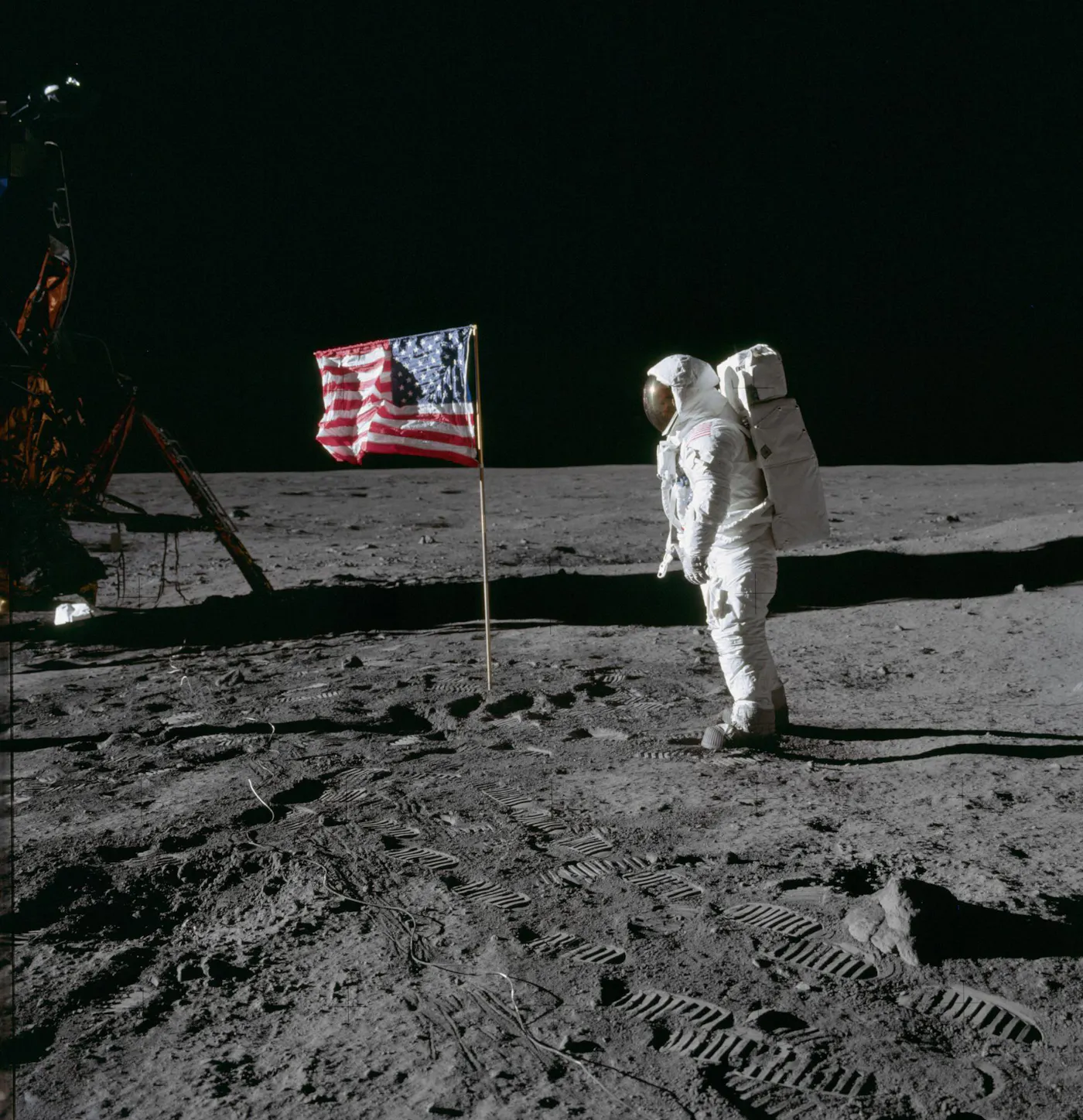
1. The moon landing
“That’s one small step for man, one giant leap for mankind,” and perhaps the defining image of U.S. history, a potent symbol of American ingenuity, persistence, and power.
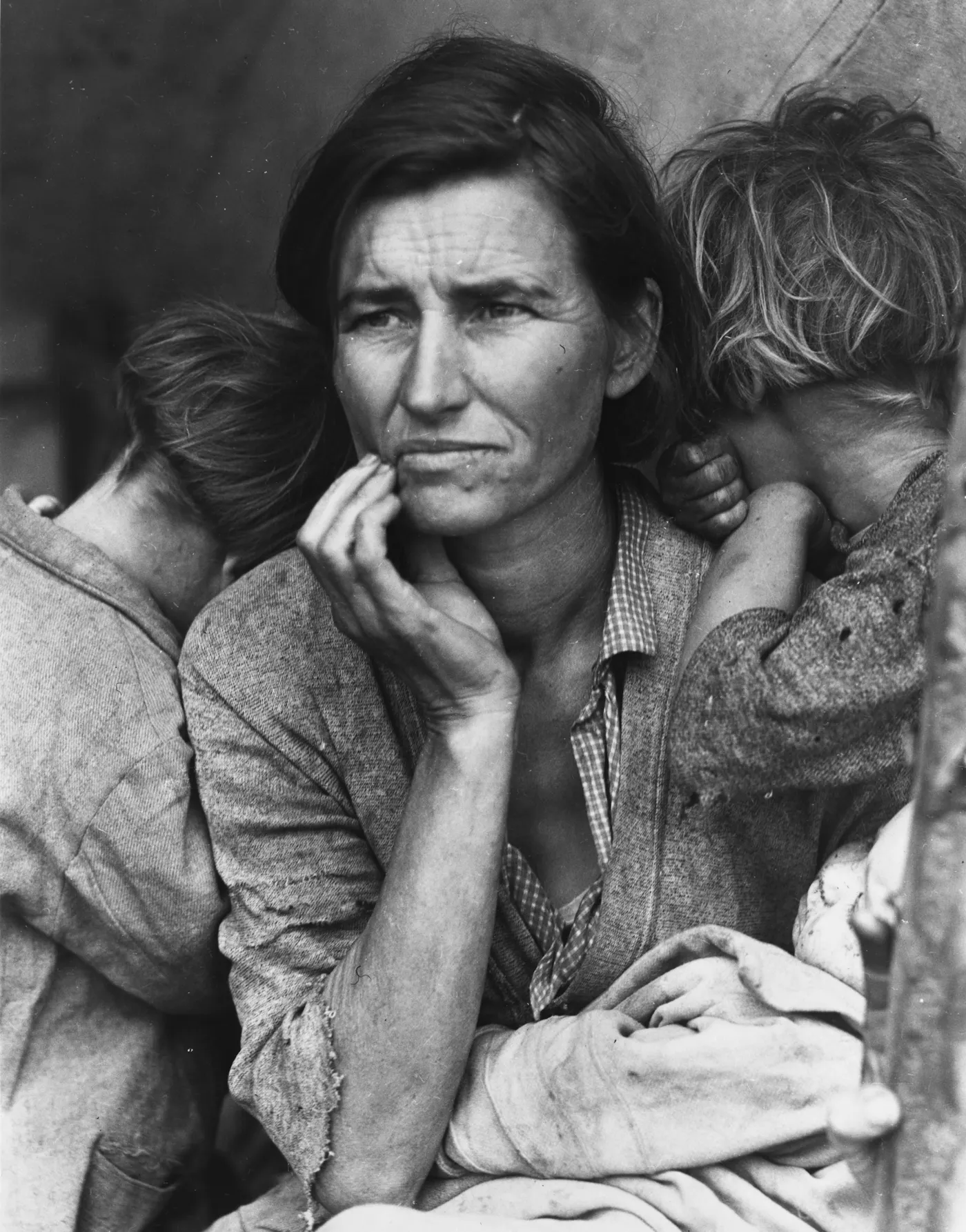
T-2. Migrant Mother
Dorothea Lange’s 1936 classic—depicting a 32-year-old mother of seven surrounded by two of her children and with an infant in her lap, her brow furrowed with resignation and uncertainty—is an image that became synonymous with the desperate poverty facing Americans during the Great Depression.
T-2. Raising the flag at Iwo Jima (at top)
An AP photographer captured this iconic image atop Mount Suribachi in February 1945. Before the year was out, it was on a postage stamp and had won the Pulitzer Prize.
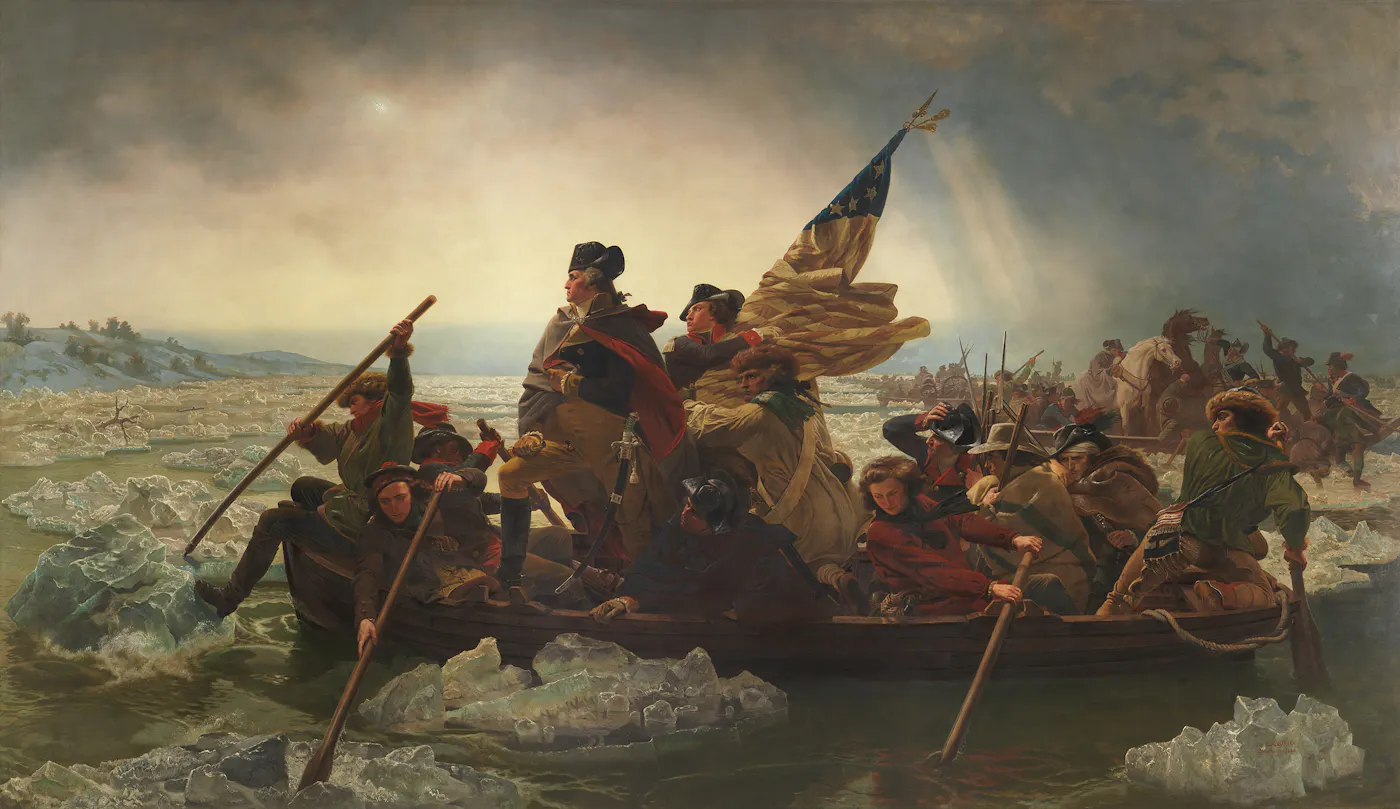
4. Washington Crossing the Delaware
Seventy-five years after the fact, German American painter Emanuel Leutze memorialized George Washington’s Christmas night raid across the ice-choked and storm-sieged Delaware River in one of the nation’s most famous paintings.
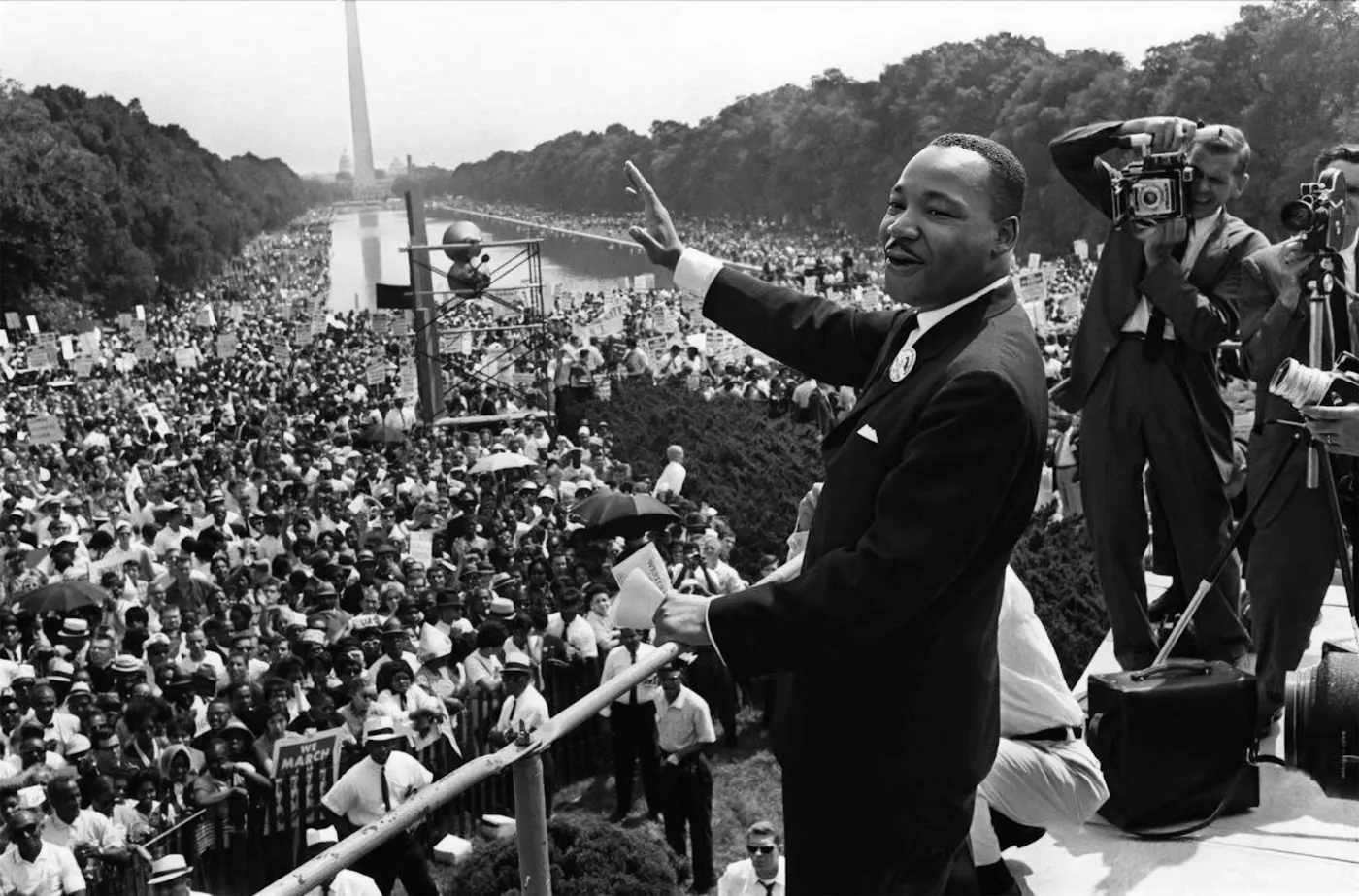
5. MLK leading the March on Washington for Jobs and Freedom
The enduring image of a quarter-million people surrounding the reflecting pool and watching a Black preacher deliver a historic speech in front of the Lincoln Memorial celebrates the best of America.
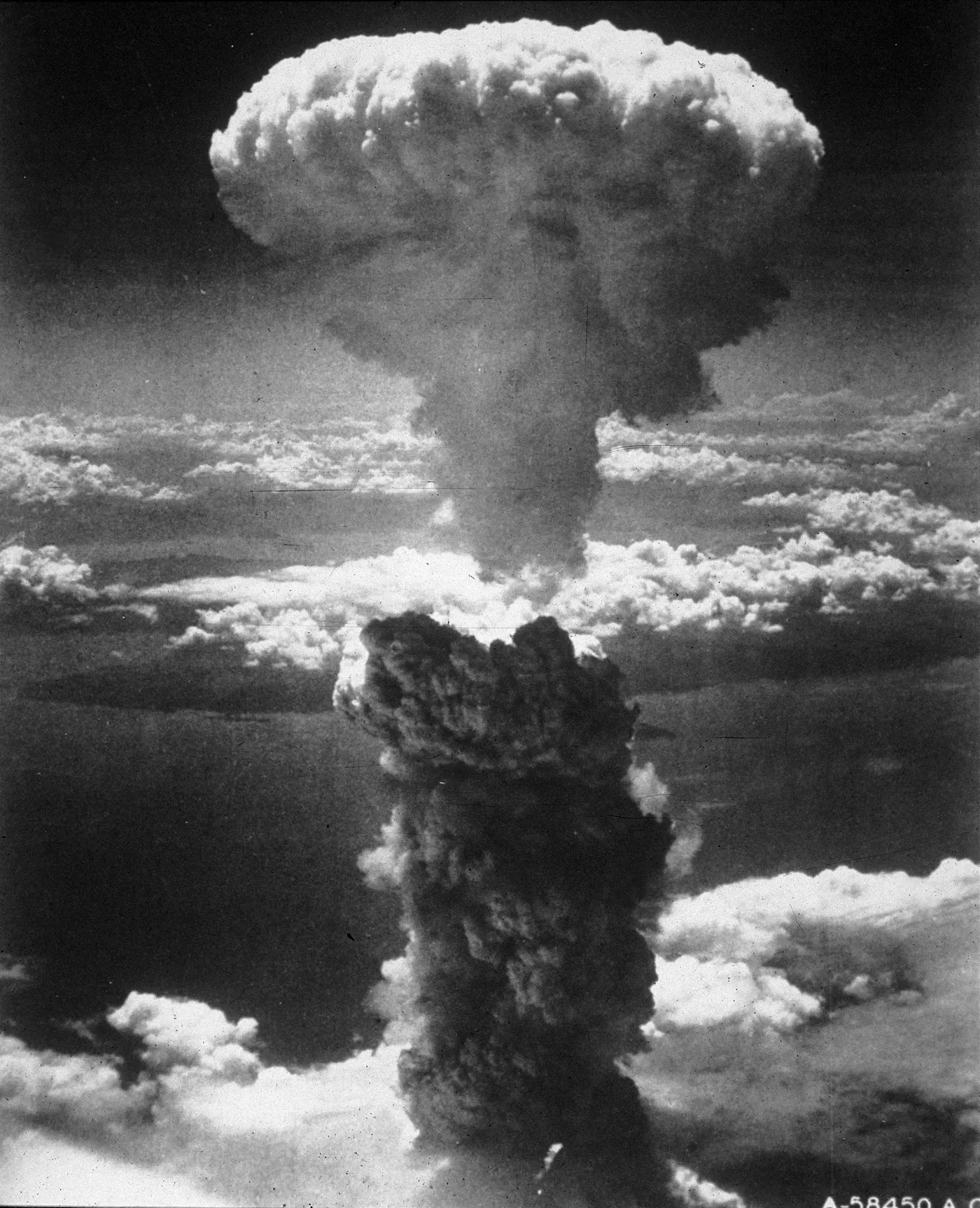
T-6. Mushroom clouds over Japan
The explosive aftermath of the dropping of two atomic bombs by the United States over Hiroshima and Nagasaki in August 1945 is a fraught symbol of strength and terror, power and horror.
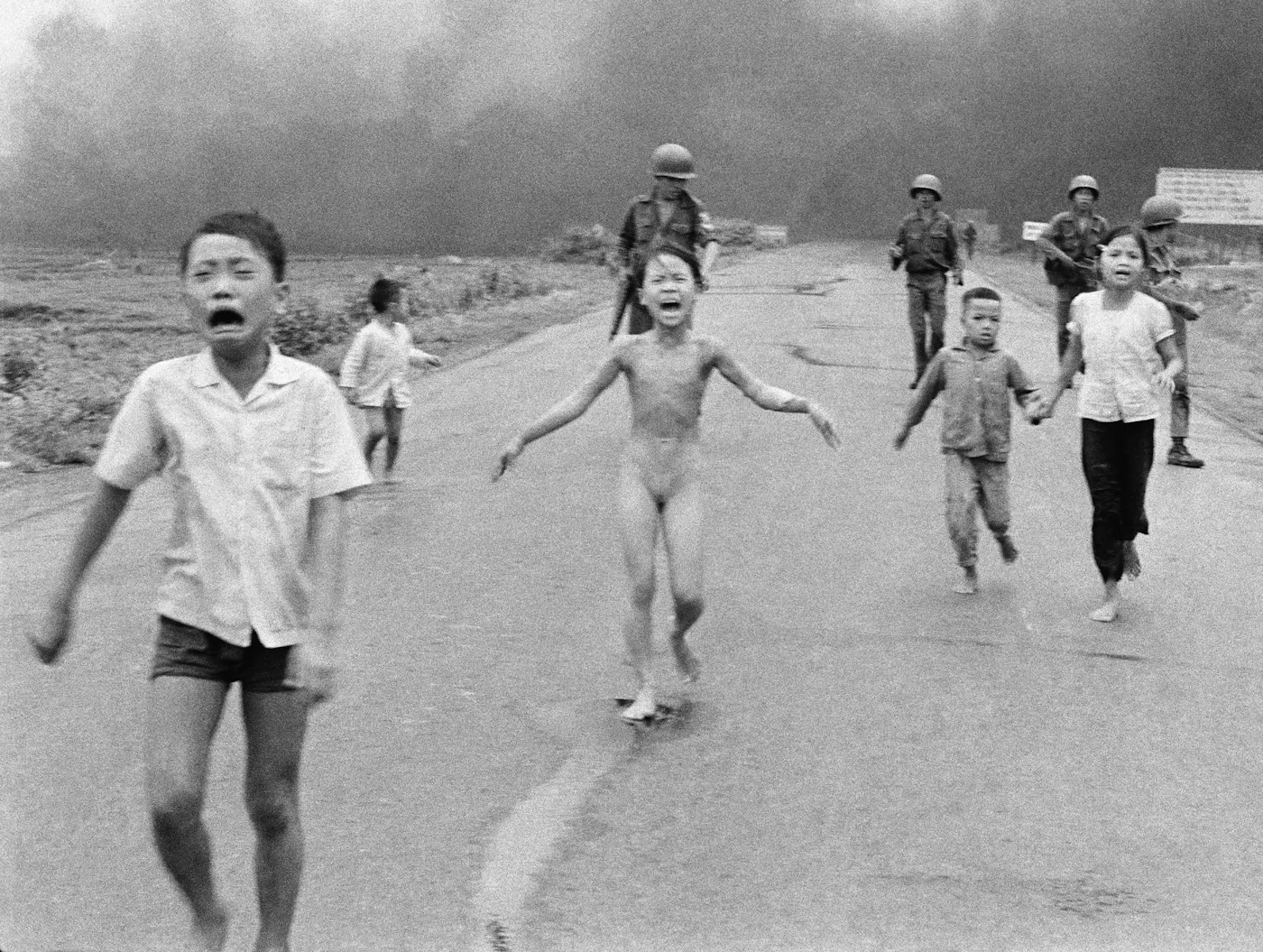
T-6. The Terror of War
Also known as Napalm Girl, this 1972 photo depicts nine-year-old Kim Phuc running naked, along with other children, from a napalm attack. It captured the horror of the war the United States was waging in Southeast Asia.
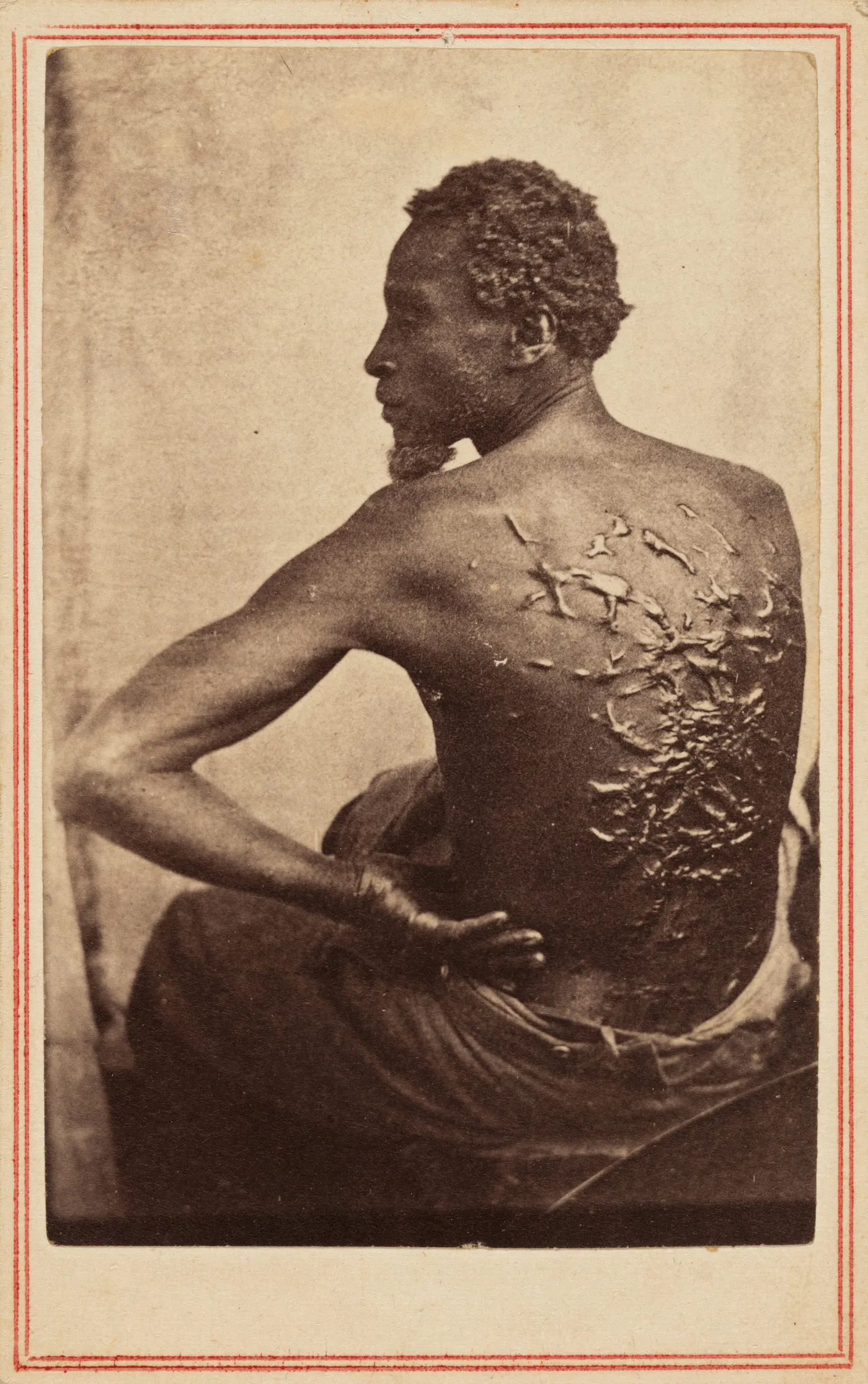
T-8. The Scourged Back
This early 1863 photograph, which received broad attention when published in Harper’s Weekly, exposes the brutality of slavery in a way words never could.
T-8. The Statue of Liberty (Liberty Enlightening the World)
The 305-foot-tall symbol of America’s role as a beacon of democracy and freedom has welcomed countless immigrants to our shores since its dedication in 1886.
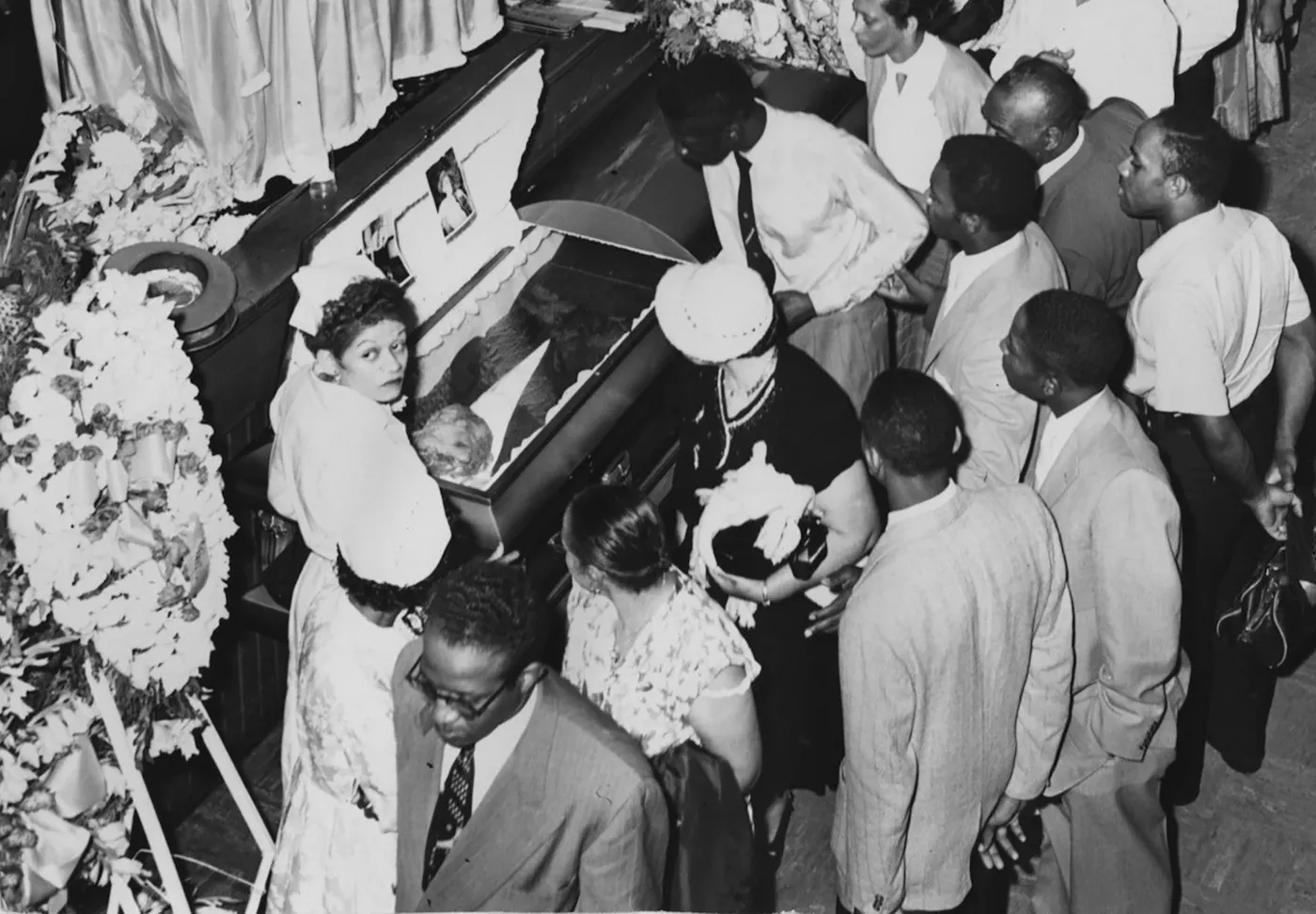
T-8. Emmett Till in his casket
Two white Mississippians kidnapped and savagely murdered this 14-year-old. Till’s mother elected to display his nigh-unrecognizable body in an open, glass-topped coffin—and then Jet magazine published photos of him. The nation could not look away.
T-8. Little Rock Nine photo of Hazel Bryan screaming at Elizabeth Eckford
The hate-filled Bryan and stoic Eckford instantly became the contrasting faces of school desegregation in 1957 Little Rock, Arkansas.
T-8. Ruby Bridges integrating New Orleans schools
Six-year-old Ruby just wanted to go to school, but in 1960, she needed federal marshals to get past screaming white protesters. She made an indelible impression photographically, and then in Norman Rockwell’s 1964 illustration for Look magazine, The Problem We All Live With.
T-8. Eugene “Bull” Connor releasing dogs on and fire-hosing civil rights protesters in Birmingham, Alabama
Connor, the city’s commissioner of public safety and a rabid segregationist, took issue with young people protesting in Birmingham. He didn’t count on the media beaming images of the brutality to the rest of the country.
T-14. American Progress by John Gast
It “once represented unabashed notions of manifest destiny, then came to encapsulate for many the hubris of settler colonialism,” Calvin University’s Kristin Kobes Du Mez noted. Is it any surprise that Donald Trump’s Department of Homeland Security now uses it as a recruiting tool?
T-14. 9/11 images
No American who was alive can forget the scenes from September 11, 2001.
T-16. Declaration of Independence by John Trumbull
Trumbull’s masterwork took more than three decades to complete as he tried to get each of the Founders’ faces correct.
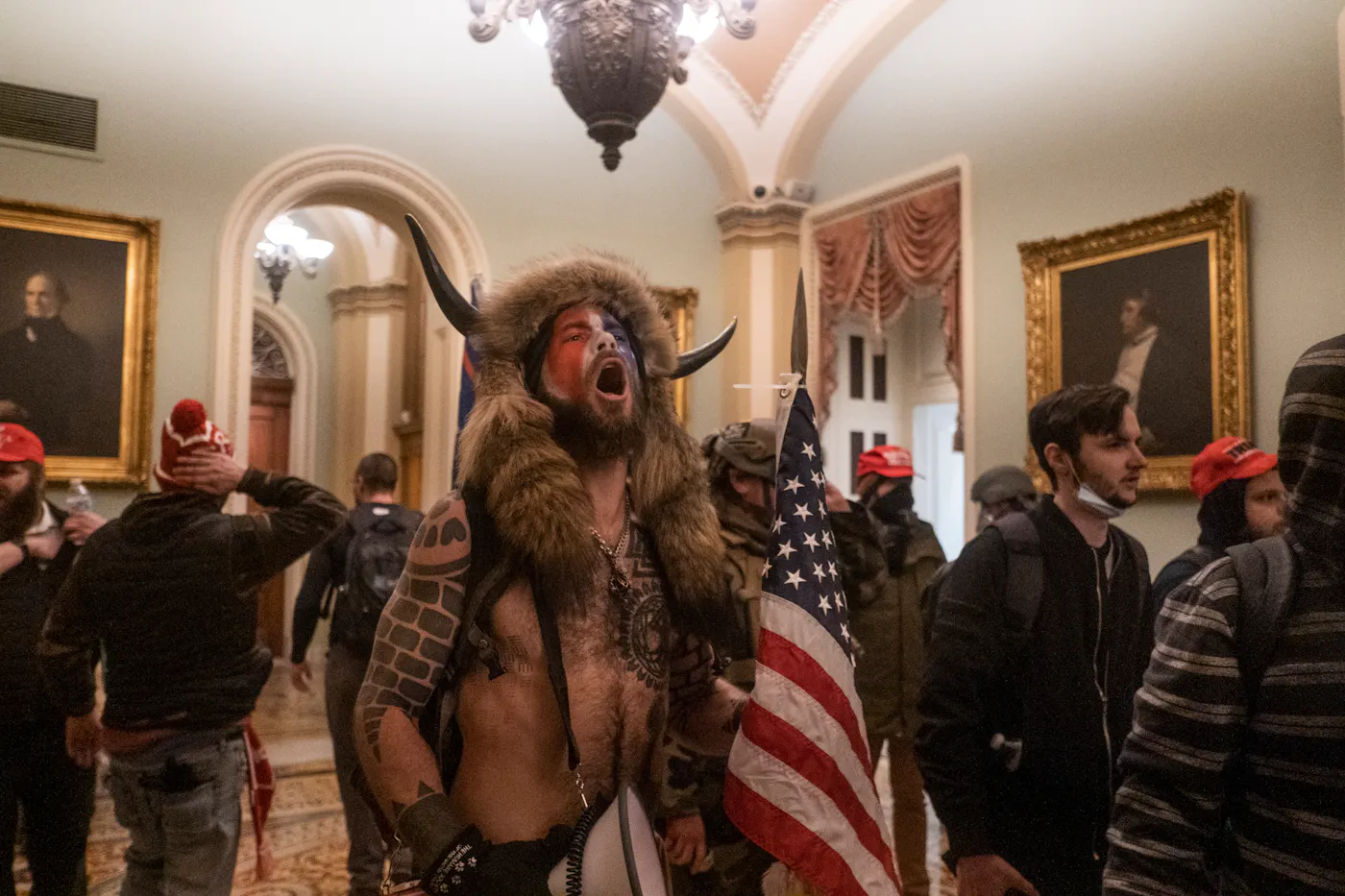
T-16. January 6
No amount of Trump revisionism will remove this stain from our history, as he rallied supporters to violently halt the peaceful transfer of power.
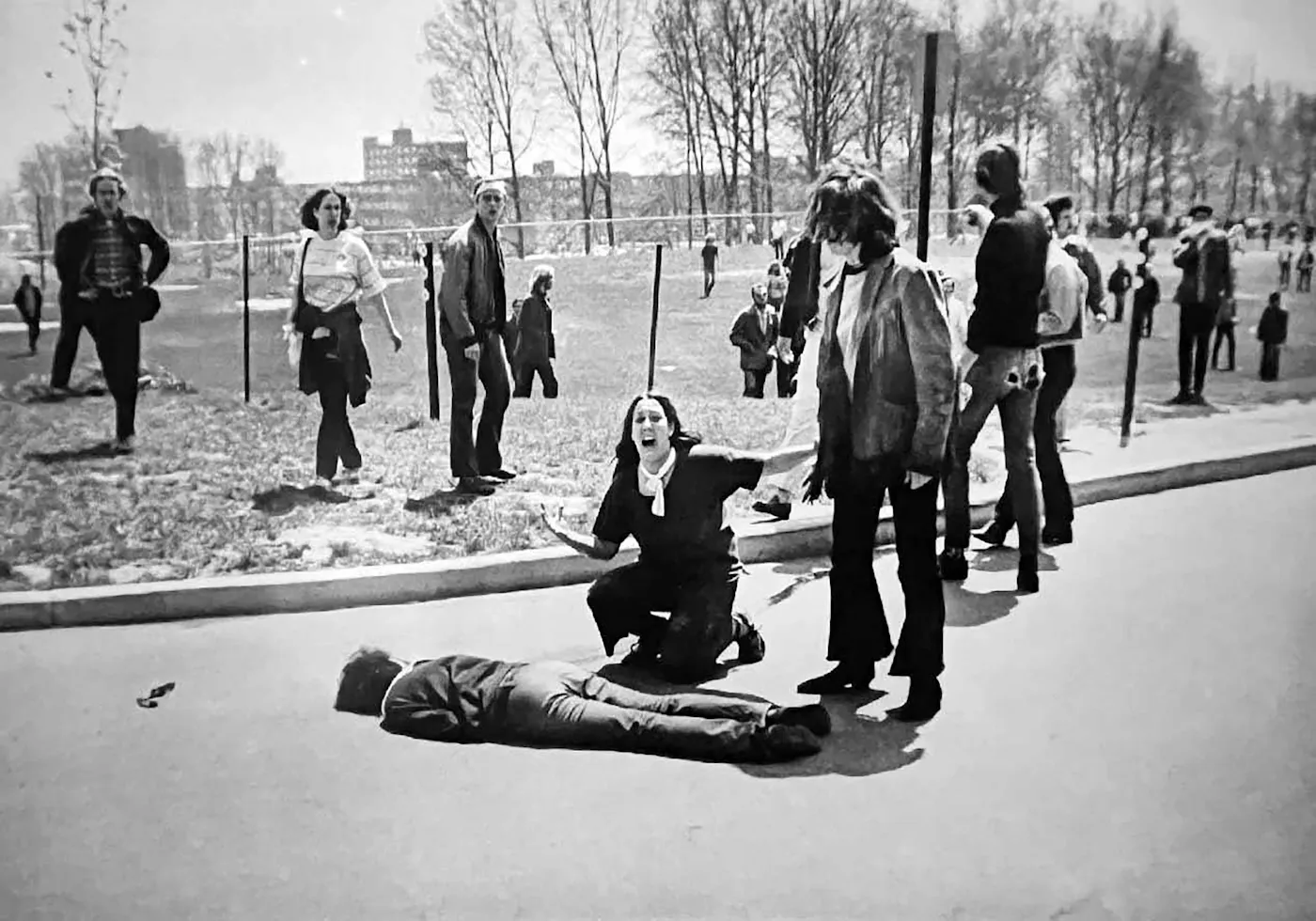
T-16. Kent State
Mary Ann Vecchio’s face captures the anguish and outrage that would sweep the country when Ohio National Guardsmen shot 13 students, killing four, who were protesting the Vietnam War and the U.S. invasion of Cambodia.
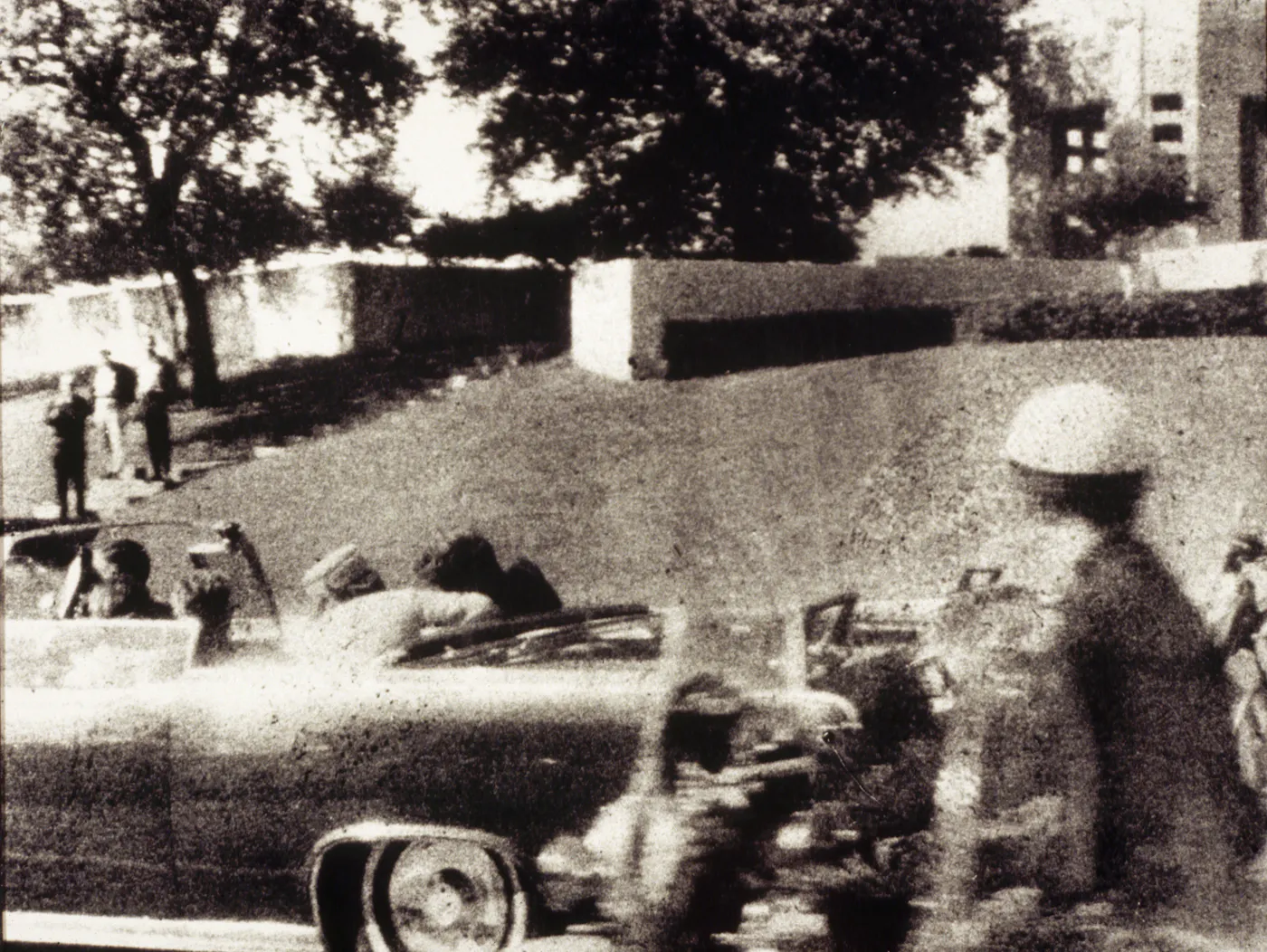
T-19. JFK in Dallas, November 22, 1963
That day in Dallas was a demarcation point for a generation of Americans—afterward, the country’s very path seemed to drift into darkness.
T-19. Bloody Sunday/Selma March
1965’s “Bloody Sunday” saw 600 marchers on their way to Montgomery, Alabama, attacked and brutalized by law enforcement officers after crossing the Edmund Pettus Bridge, yet another shock to the nation’s conscience in the civil rights era.
The Most Influential Founding Fathers
1. James Madison
The Father of the Constitution. Shows the payoff for taking copious notes. The ugly side: He owned more than 100 enslaved people.
2. Thomas Jefferson
And at number two, the author of the American theory of law-based, anti-divine rule. A second hit: the Virginia statute on religious freedom. Slave ownership: more than 600.
“I am not much of a fan of the Founding Fathers terminology (I use Founding Generation), as in a democratic republic it seems to me that the government depended on more than the men inside the various legislative chambers.”—Mary Sarah Bilder, Boston College Law School
T-3. Alexander Hamilton
The anti-Jefferson, the leader of the high-born Federalists, co-author of the vital Federalist Papers, and architect of our financial system. Good life’s work.
T-3. George Washington
His decision in 1783 to stop off in Annapolis and resign his military commission stands as maybe the most important act in early American history. It made the United States a republic. Slave ownership: more than 300.
5. Benjamin Franklin
Stunning polymath, skilled (and randy) diplomat, committed abolitionist in his later years after benefiting from the slave trade earlier in his life; also the only person to sign the Declaration of Independence, the Constitution, and the Treaty of Paris.
6. John Adams
He first rose to prominence opposing the hated Stamp Act. In convincing Jefferson to be the lead author of the declaration, he said: “I am obnoxious, suspected, and unpopular. You are very much otherwise.”
7. Thomas Paine
The English-born Founder whose early pamphlets like “Common Sense” made the popular case for revolution. Also a vigorous foe of slavery and advocate for an early version of the welfare state.
8. James Wilson
Who? This Pennsylvanian was a vital and active delegate to the Constitutional Convention and an important proponent of ratification. He was also one of Washington’s original six appointees to the Supreme Court.
The Most Important Works of Art in American History
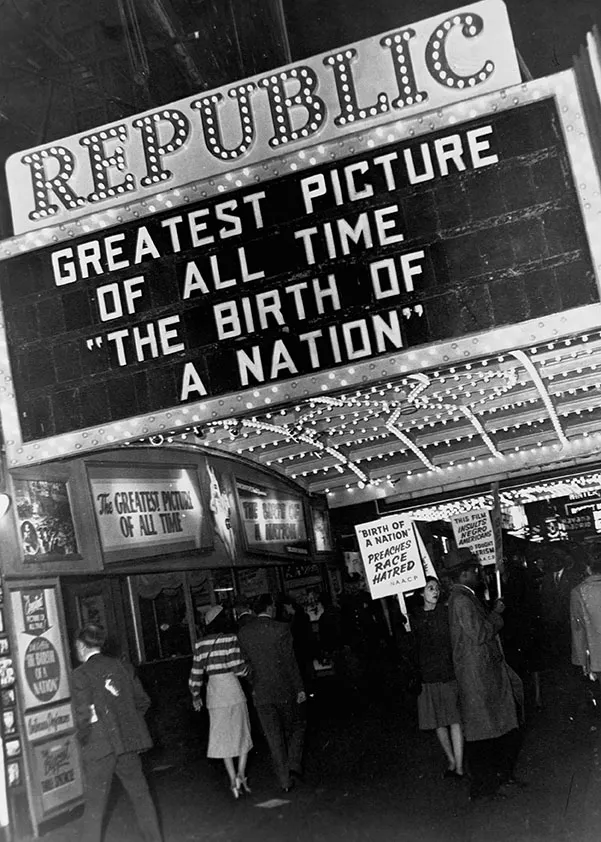
1. The Birth of a Nation by D.W. Griffith (film, 1915)
Racist, “Lost Cause,” Klan-glorifying propaganda, it was also the birth of modern filmmaking. “Thoroughly pernicious, but tremendously important … establishing the importance of film and helping to shape national consciousness about Reconstruction,” said University of Texas law professor Sanford Levinson.
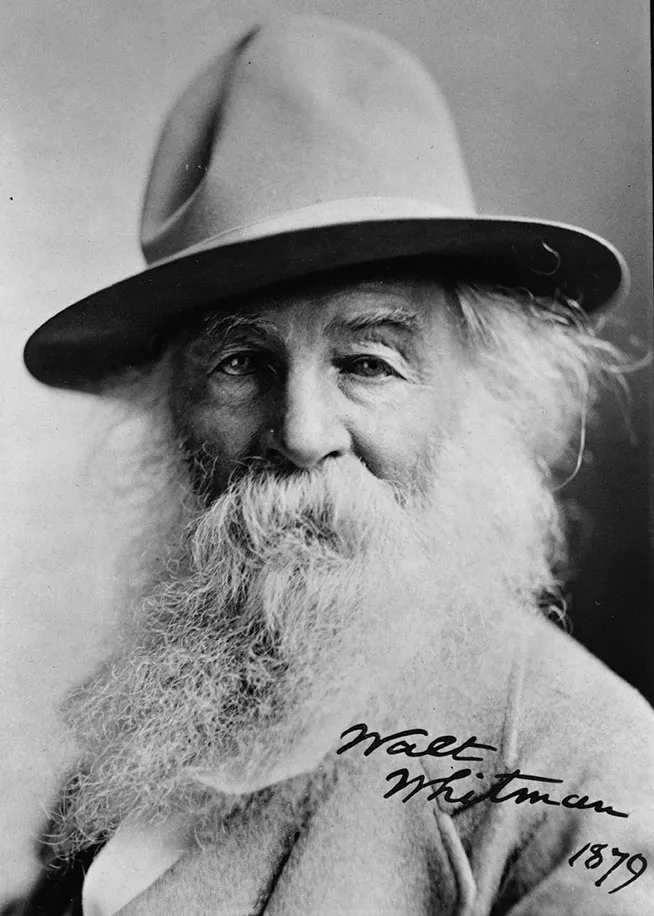
T-2. Leaves of Grass by Walt Whitman (poetry, 1855)
“Here are the roughs and beards and space and ruggedness and nonchalance that the soul loves,” Whitman wrote in the preface to the first edition of this landmark poetry collection. He repeatedly expanded and revised the work until he died in 1892.
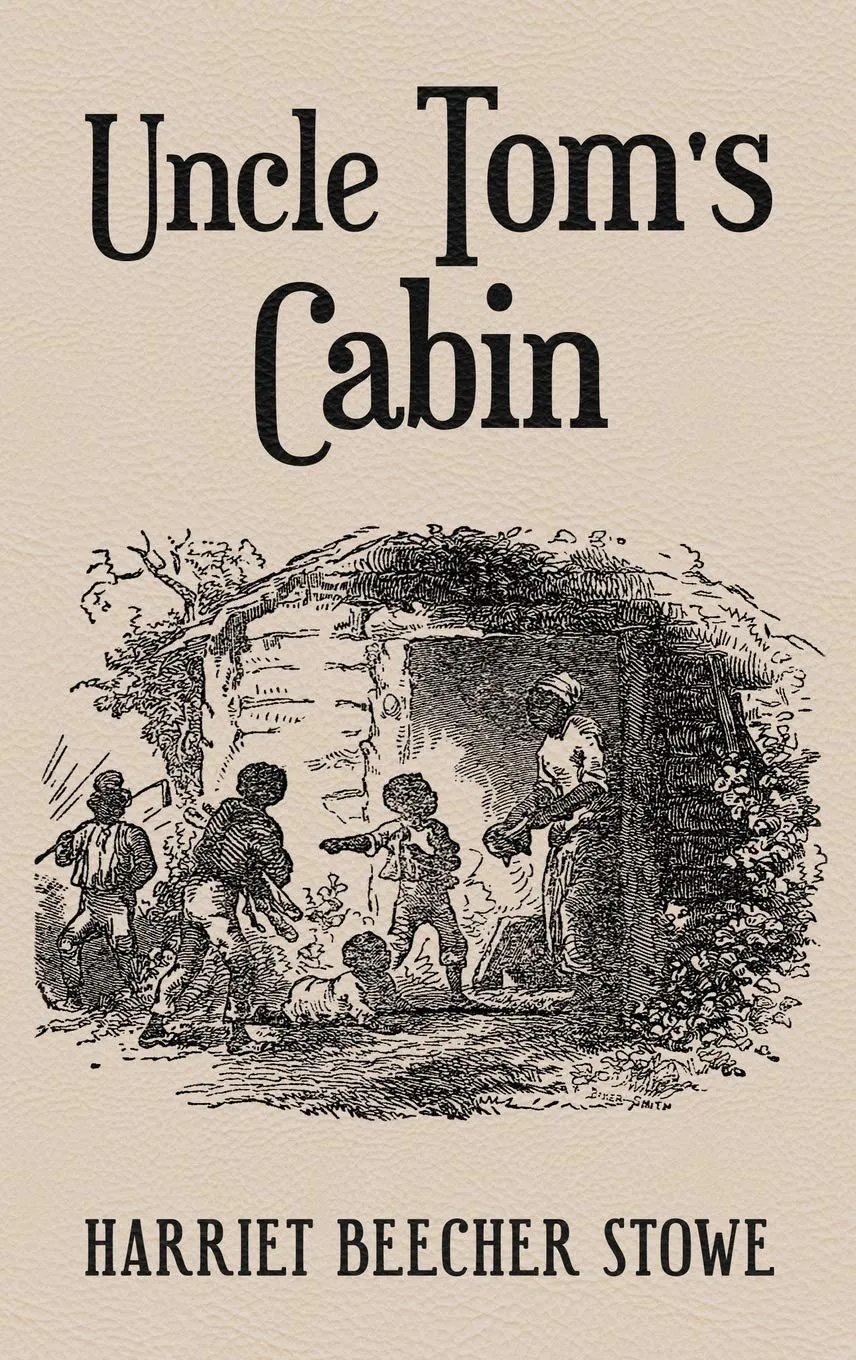
T-2. Uncle Tom’s Cabin by Harriet Beecher Stowe (novel, 1852)
Stowe’s slavery-condemnation novel sold more copies than any book in the nineteenth century, save perhaps the Bible. Credited with changing white attitudes toward slavery, it’s nevertheless not widely read today, due to its negative stereotypes of Black Americans, particularly that of the title character.
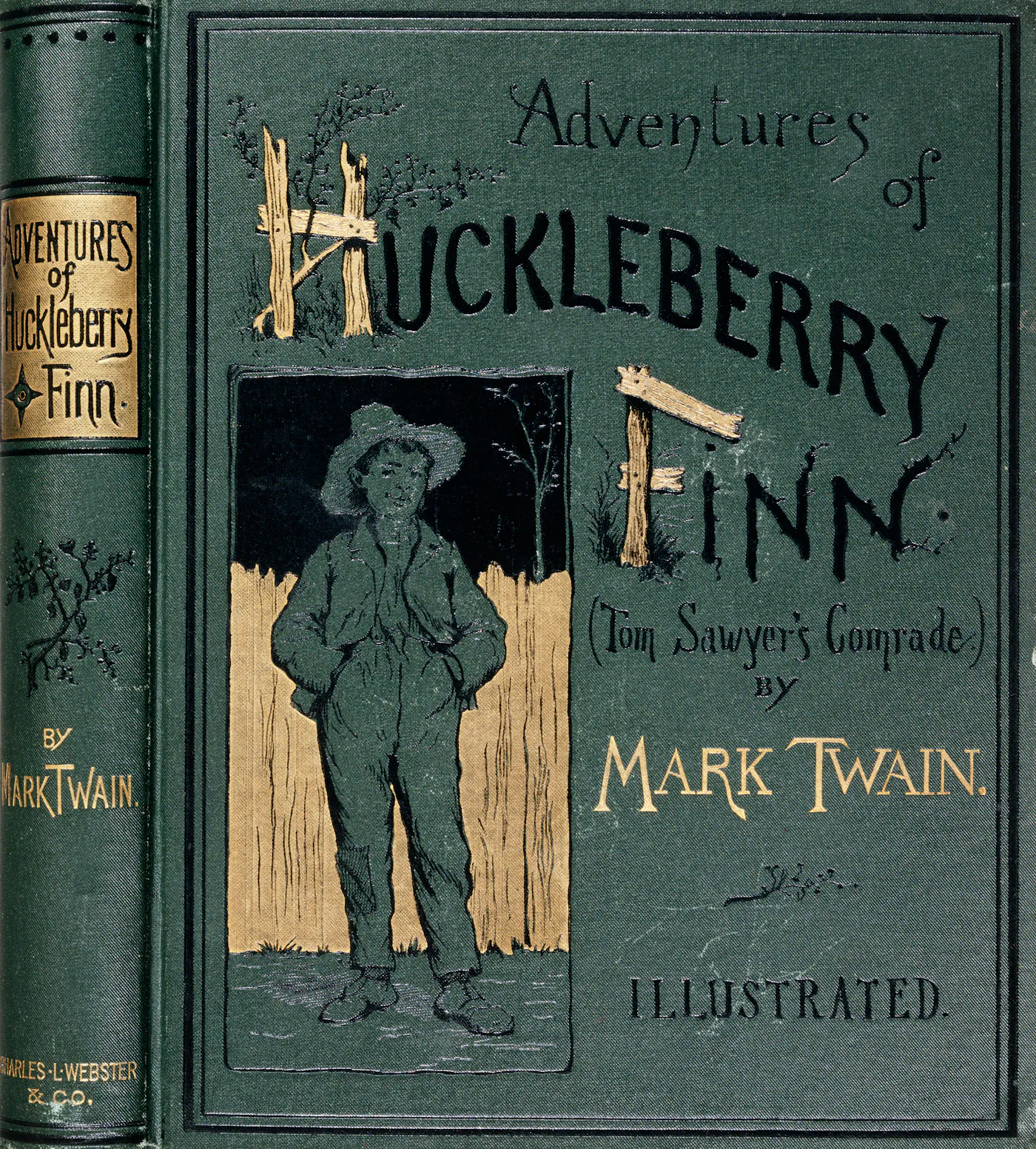
T-4. Adventures of Huckleberry Finn by Mark Twain (novel, 1885)
Ernest Hemingway said all modern American literature comes from Twain’s antebellum tale of a white Missouri preteen helping a slave find freedom. It was and remains controversial, but by this time in his life, Samuel Clemens was a staunch supporter of racial justice.
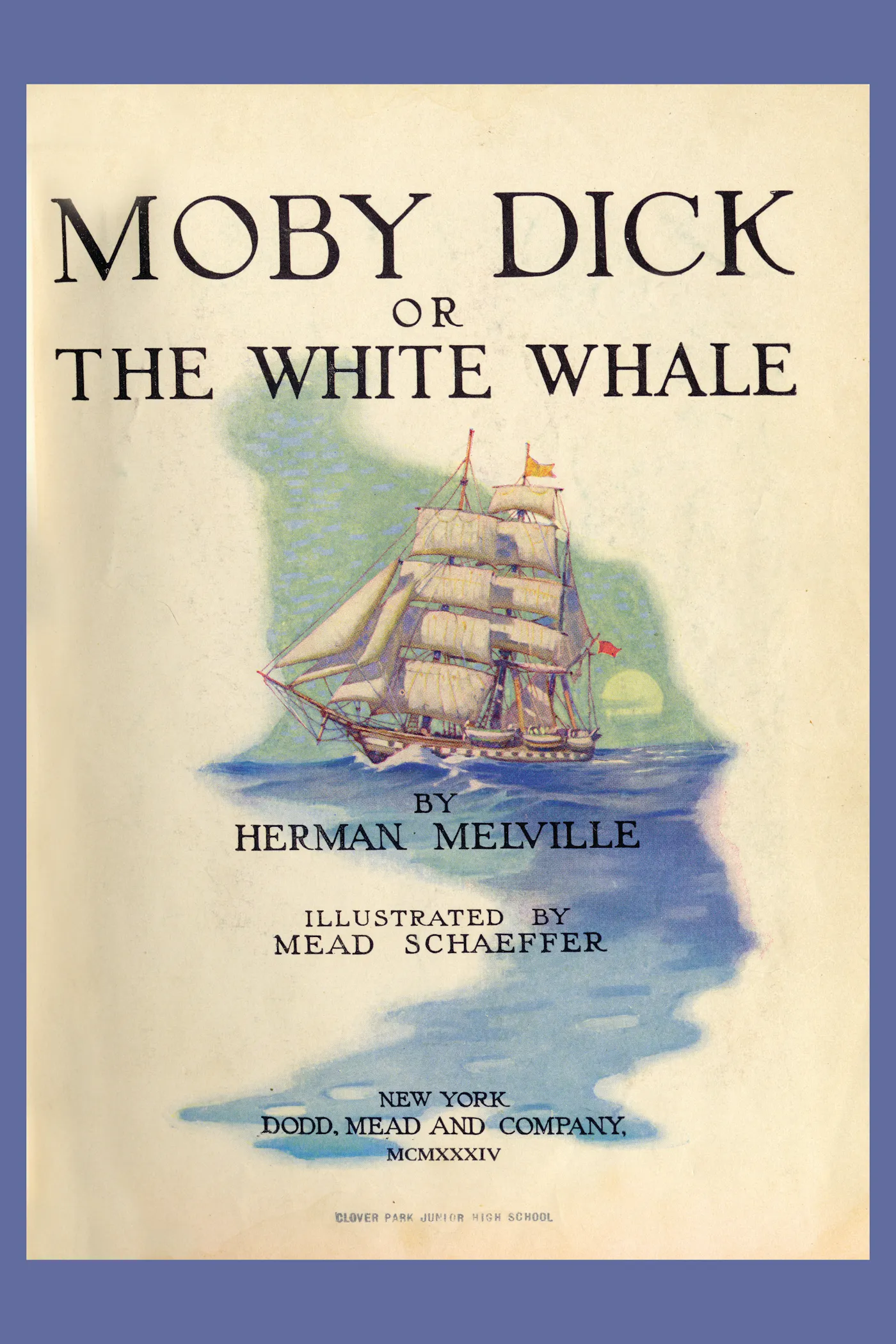
T-4. Moby-Dick; or The Whale by Herman Melville (novel, 1851)
The classic tale of obsession and revenge was initially a whale of a flop. Melville lived another 40 years and had long passed into the great ocean beyond before his magnum opus took its place in the American literary canon.
6. Citizen Kane by Orson Welles (film, 1941)
Welles was 25 and a first-time director when he crafted this dark tale, which still stands up, about a media mogul’s rise, withdrawal, and a futile search for what he’d lost along the way. Rosebud!
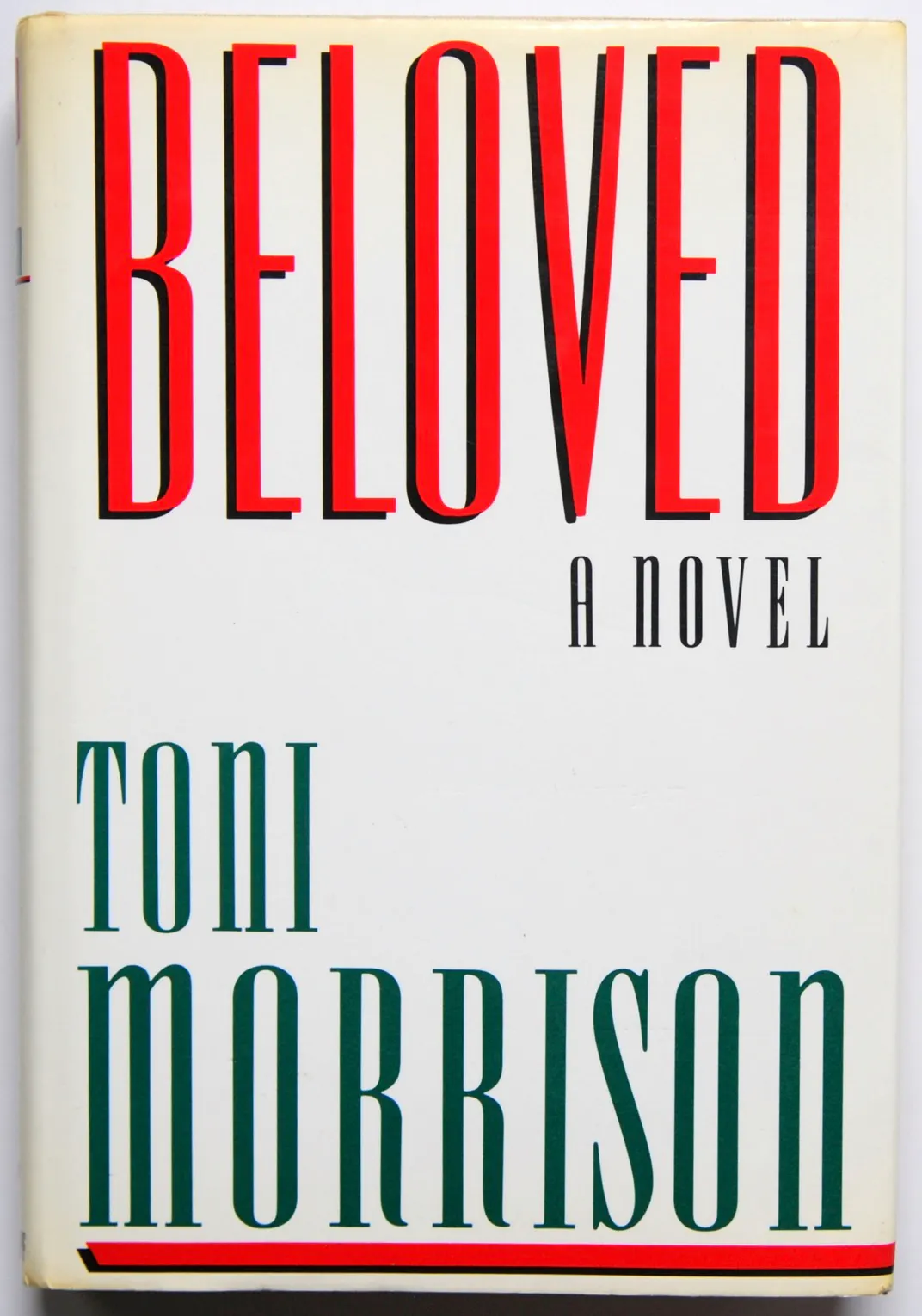
T-7. Beloved by Toni Morrison (novel, 1987)
Her Pulitzer Prize winner is not universally beloved, often appearing prominently on lists of banned books, but this story exploring the trauma of slavery in postbellum Ohio is probably her most acclaimed.
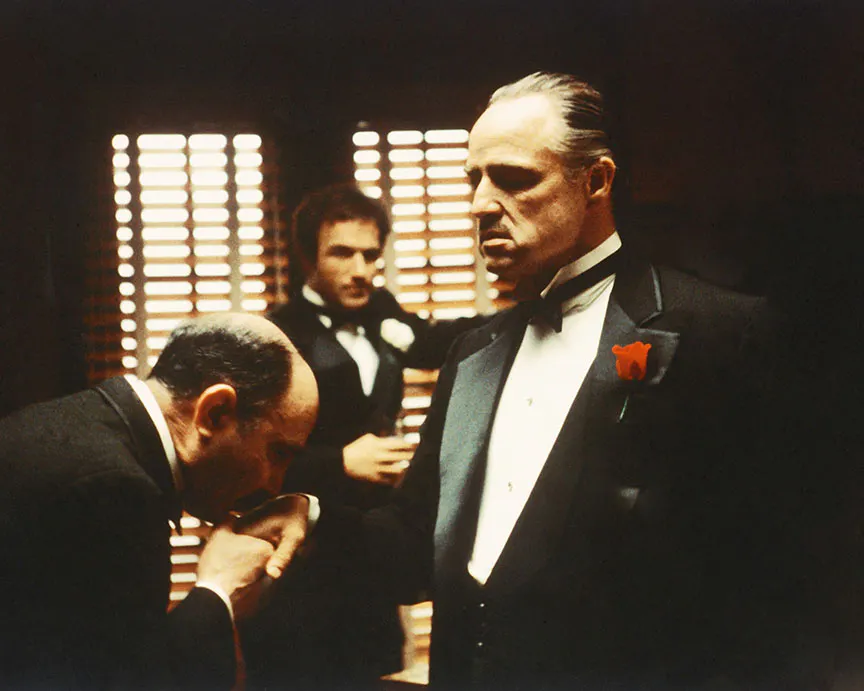
T-7. The Godfather Parts I & II by Francis Ford Coppola (film, 1972 and 1974)
The Corleone family’s embrace and corruption of the American dream is a classic tale of tragedy as triumph. And the cast is pretty good, too. (Yeah, our panel ignores Part III.)
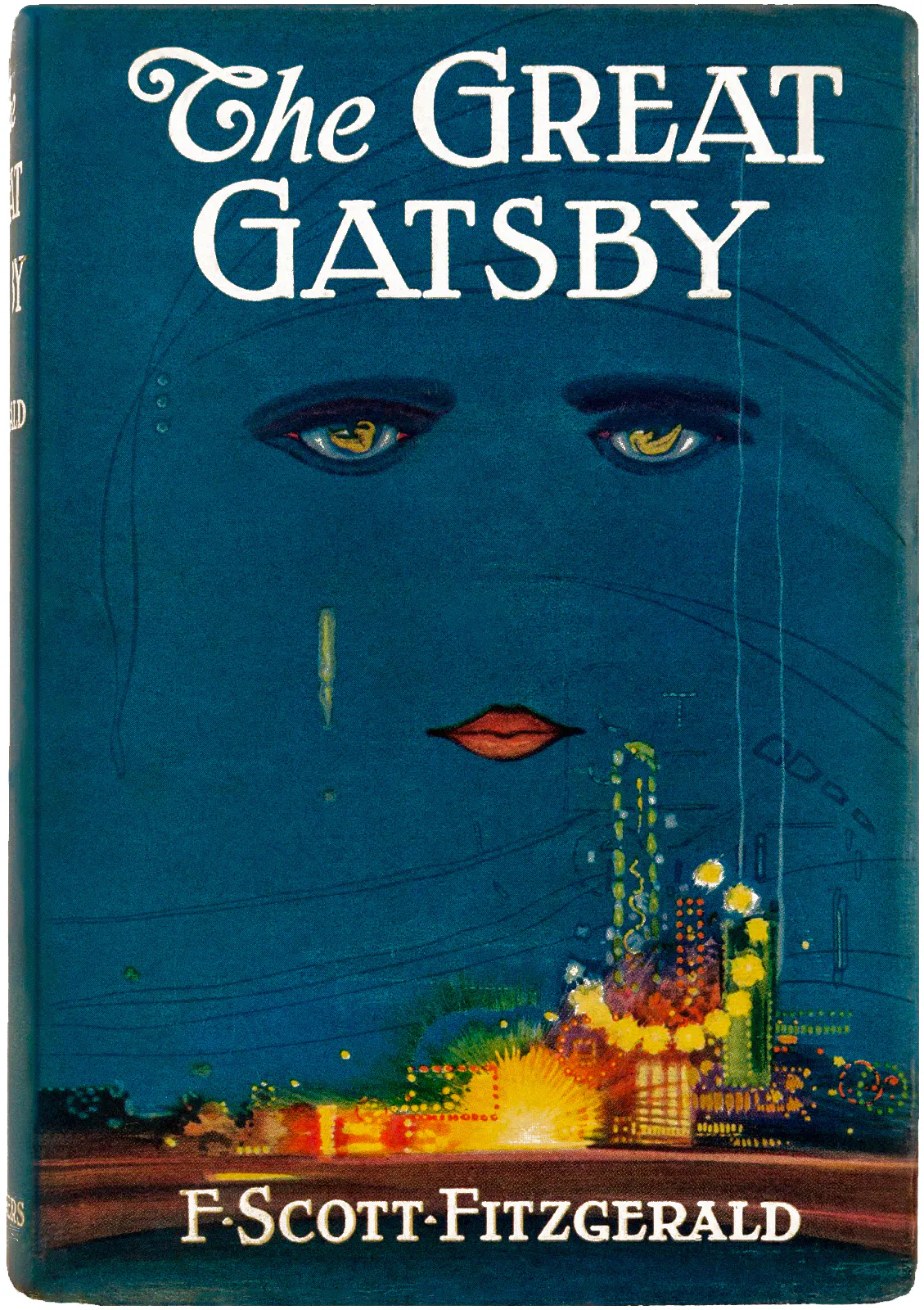
T-9. The Great Gatsby by F. Scott Fitzgerald (novel, 1925)
The American dream’s glory and tragedy unfold in this classic set in the Jazz Age that remains a staple of high school syllabi. Squint hard and you can just see the green light at the end of the dock.
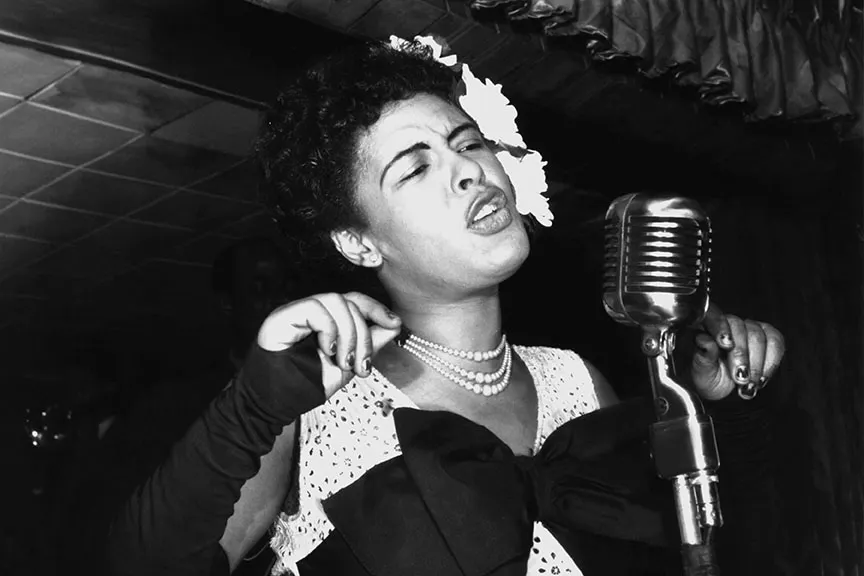
T-9. “Strange Fruit” by Abel Meeropol (song, 1939)
Billie Holiday’s haunting rendition of Meeropol’s composition never directly mentions lynching, but its topic is clear. “Black body swinging in the Southern breeze/Strange fruit hanging from the poplar trees.” Time named it the song of the twentieth century.
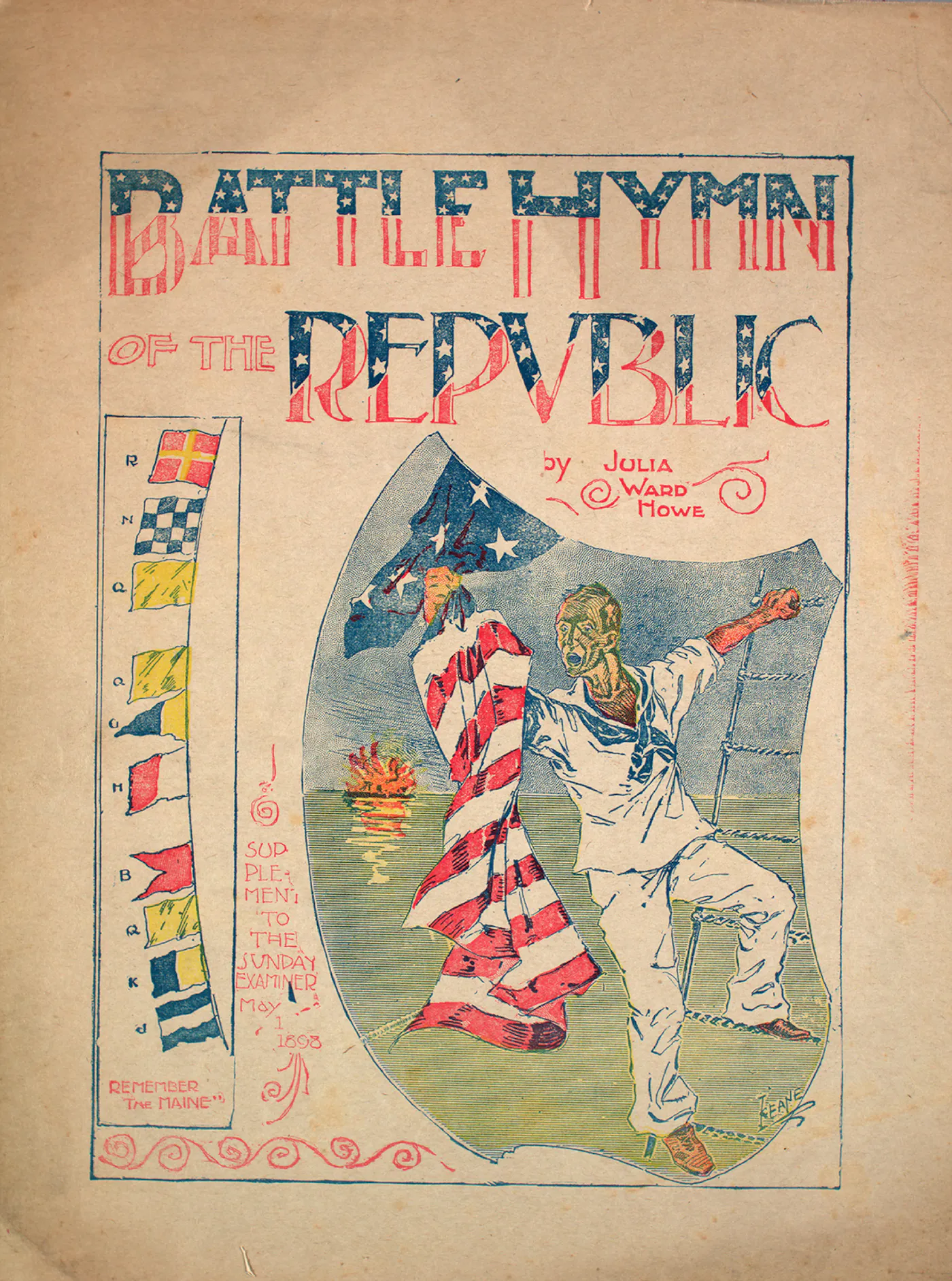
T-11. “Battle Hymn of the Republic” by Julia Ward Howe (song, 1862)
Visiting Washington, D.C., in 1861, Howe heard Union soldiers singing “John Brown’s Body.” She wrote new lyrics for it that were a hit in the North and loathed in the South. Oh well, the victors get to call the tune.
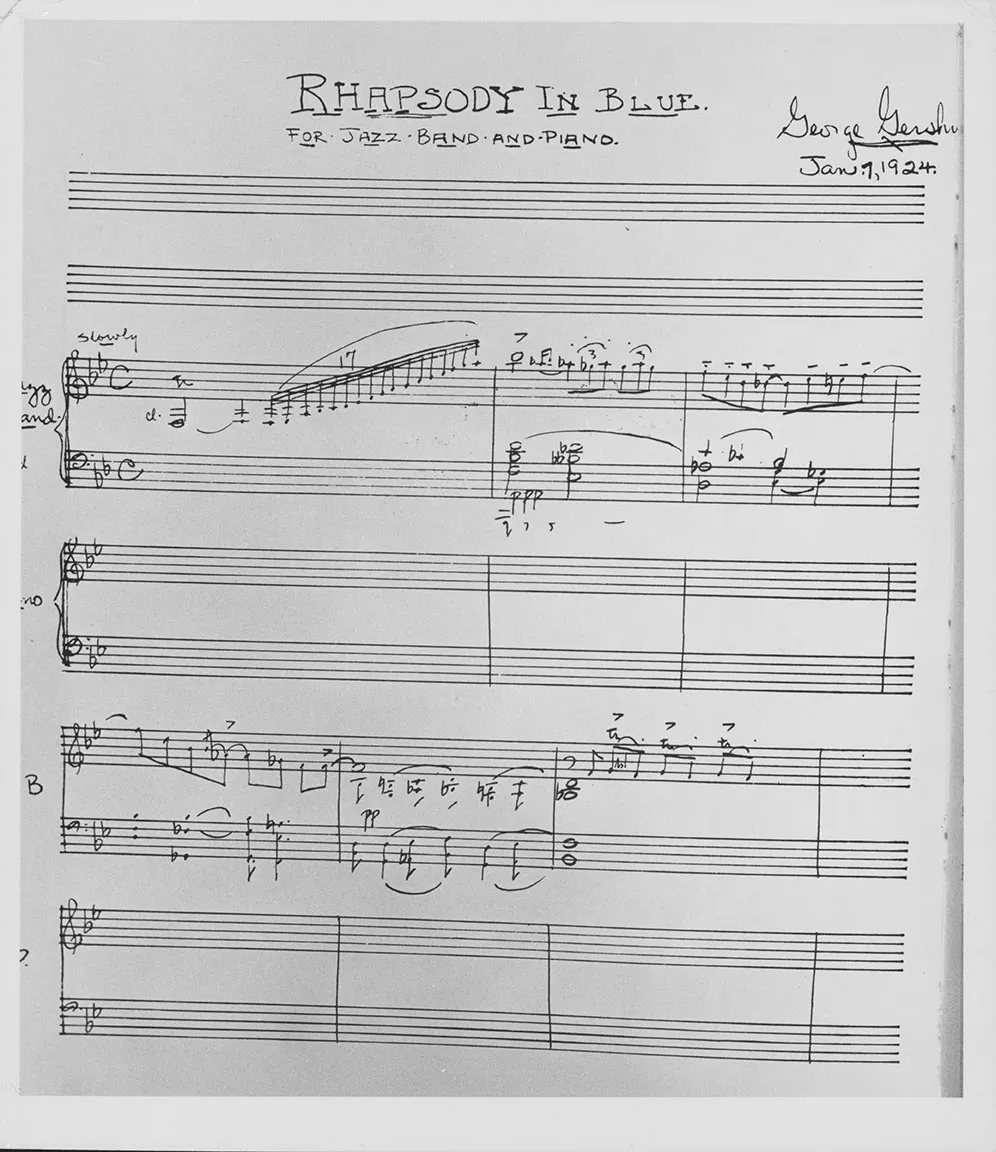
T-11. “Rhapsody in Blue” by George Gershwin (orchestral work, 1924)
A train ride inspired Gershwin’s orchestral mélange of jazz and blues: “a sort of musical kaleidoscope of America—of our vast melting pot, of our unduplicated national pep, of our metropolitan madness,” he later said.
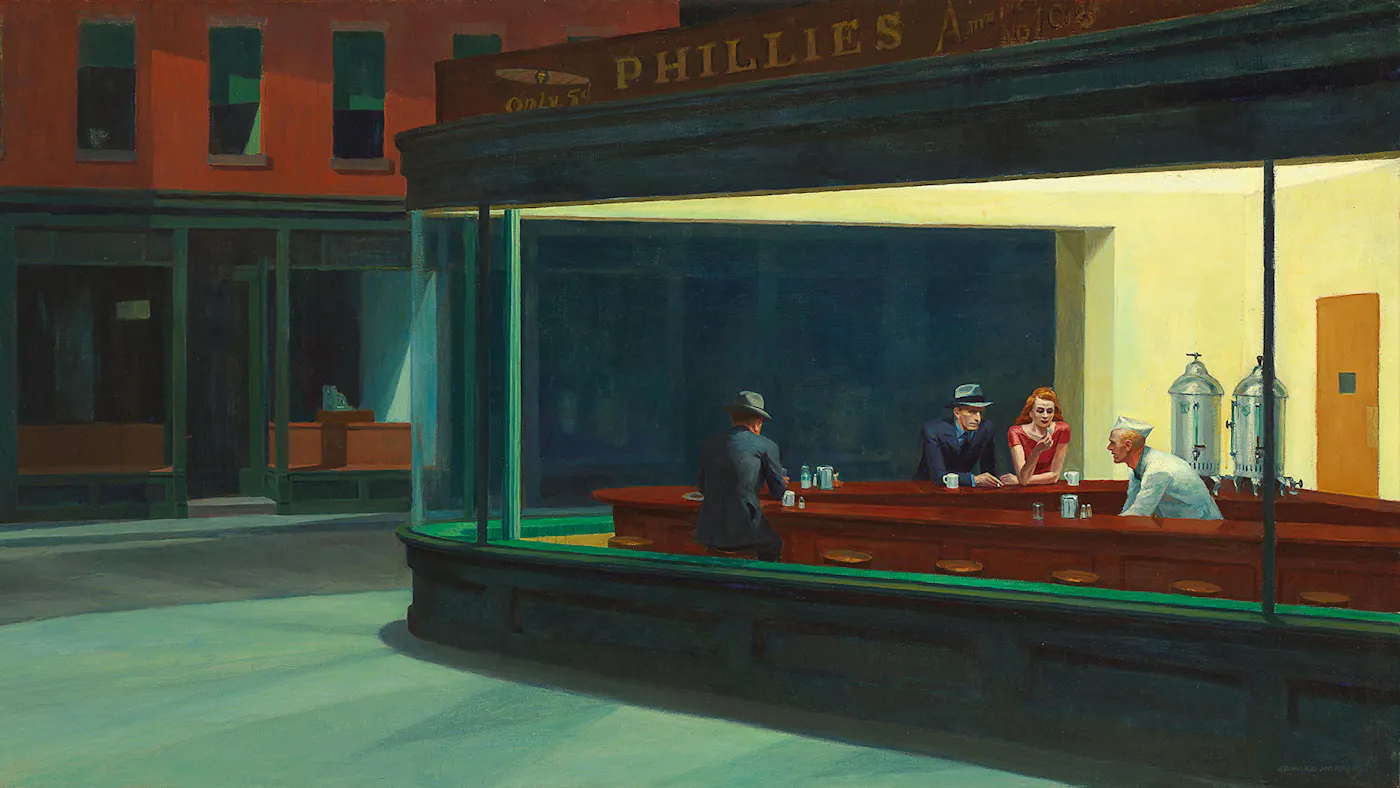
T-13. Nighthawks by Edward Hopper (painting, 1942)
“Unconsciously, probably, I was painting the loneliness of a large city,” Hopper explained. It was magnified by its context—a city under blackout restrictions in the early days of war.
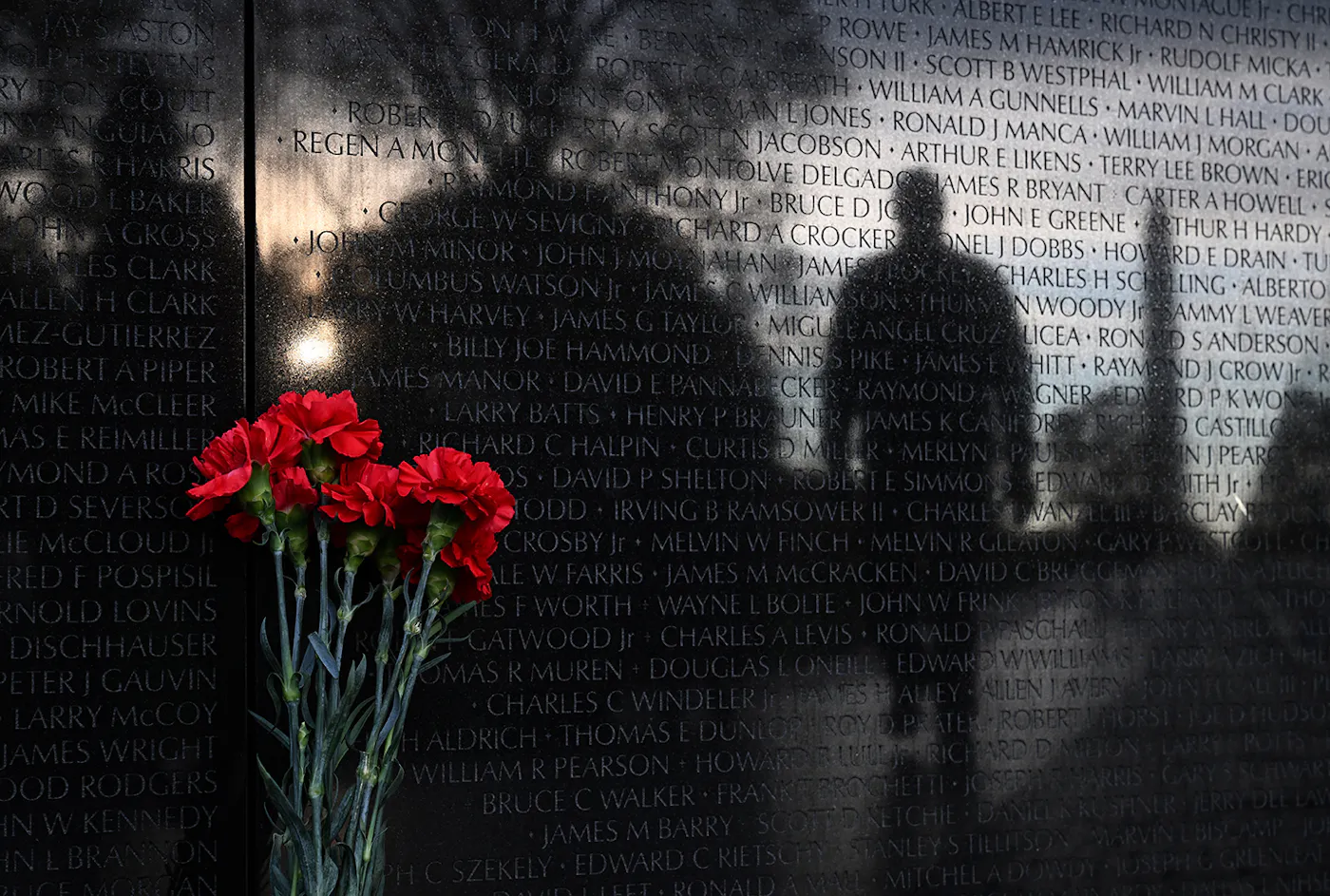
T-13. Vietnam Veterans Memorial by Maya Lin (architectural memorial, 1982)
The names of the 58,000 killed in America’s tragic conflict emanate chronologically from the monument’s center. Both Lin and the design were attacked by the usual suspects, but the public has always appreciated its understated genius.
15. Casablanca by Michael Curtiz (film, 1942)
The lightning dialogue. The flawless cinematography. The thrilling direction. The poignant message. The breathtaking ending. Oh, yeah—the acting wasn’t too bad either.
The 10 Best—and 10 Worst—Presidents in American History
T-1. Abraham Lincoln (1861–1865)
The Great Emancipator and the savior of the Union. And he created the national railroad and the land-grant university system, all while fighting the war!
T-1. Franklin Roosevelt (1933–1945)
His steady confidence, “bold, persistent experimentation,” and optimistic mien guided the nation through the Great Depression and the Second World War, reimagining both the federal government role and the country’s place in the world.
The best presidents used “the federal government to not only expand the American imagination of the ways in which the government can solve society’s biggest problems but also significantly and substantively improve the lives of millions.”—Candis Watts Smith, Duke University
3. George Washington (1789–1797)
His greatest achievement may have been something he didn’t do. “He could easily have become president for life and did not,” University of Texas law professor Sanford Levinson noted.
4. Lyndon Johnson (1963–1969)
More than one expert placed LBJ both on this list and on the “worst” list. But with the passage of time, his accomplishments at home, including Medicare, Medicaid, the Civil Rights Act, and the Voting Rights Act, have come to overshadow Vietnam.
5. Theodore Roosevelt (1901–1909)
An OG populist who used federal power for the general good. “When I am feeling blue or discouraged, I pick up a TR biography and read any random page—it gives a jolt of energy and hope!” said Michael Waldman of the Brennan Center for Justice.
6. Barack Obama (2009–2017)
Not only the first African American president but also the sole one since Eisenhower to twice win a popular vote majority. “Americans could believe that we were capable of living up to the promises of equality and liberty,” said University of Virginia media studies professor Siva Vaidhyanathan.
7. Thomas Jefferson (1801–1809)
“His pen inscribed the nation we still rightly dream of being,” said Richard Parker of Harvard’s Kennedy School of Government. More practically, the Louisiana Purchase was, as one of his successors might have put it, a big effing deal.
8. Dwight Eisenhower (1953–1961)
Using what has come to be known as a “hidden hand” leadership style, Eisenhower halted the Korean War, built the interstate highway system, and presciently warned against the burgeoning “military-industrial complex.”
9. Harry Truman (1945–1953)
Played a critical role in helping establish the postwar, rules-based international order that set the stage for decades of U.S. prosperity at home and leadership around the world. Not bad for a failed haberdasher.
10. John F. Kennedy (1961–1963)
One of the nation’s most rhetorically gifted presidents, Kennedy earned a place on this list for his inspirational words, and also for navigating the world’s moment of maximum peril, the Cuban Missile Crisis.
Worst Presidents
1. Donald J. Trump (2017–2021, 2025–present)
Some experts voted for him twice—once for each term. “Much more corrupt and dangerous to the Constitution than all of the others on this list combined,” observed author and columnist Jonathan Alter. Thank you for your attention to this matter.
“The most striking thing on evaluating this question is how much easier it is to fill the latter category [worst presidents] than the former [best presidents]! The worst president category overflows with possibilities.”—John Fabian Witt, Yale Law
2. Andrew Johnson (1865–1869)
He sought, in the words of Richard Parker of Harvard’s Kennedy School of Government, “to betray the sacrifice of 600,000 lives in combat, and the rights owed millions more.”
3. James Buchanan (1857–1861)
Pro-slavery, he successfully lobbied the Supreme Court on its odious Dred Scott decision. He was, one expert noted, the only president to finish his term with fewer states in the union than when he started.
4. Richard Nixon (1969–1974)
He was so much worse than the “second-rate burglary.” And despite his best efforts and those of his apologists, he is best remembered as the only president to resign his office—in a miasma of disgrace he could never shake.
T-5. George W. Bush (2001–2009)
His administration was a string of disasters and blunders, from 9/11 to the Afghanistan and Iraq wars to the Great Recession. He exhibited a deadly blend of self-assurance and incuriosity.
T-5. Warren Harding (1921–1923)
For a long time, Harding’s administration had a serious claim to the title of “most corrupt” (Google “Teapot Dome”). Harding’s ghost must be grateful to Team Trump.
7. Andrew Jackson (1829–1837)
Jackson “exhibited a fairly consistent disdain for law and established the pernicious tradition of presidents who viewed themselves as ‘tribunes of the people’ … entitled to behave as they wished,” University of Texas law professor Sanford Levinson argued.
T-8. Herbert Hoover (1929–1933)
The Great Depression started on his watch, and he flailed in its face.
T-8. Franklin Pierce (1853–1857)
A pro-slavery Democrat who helped grease the nation’s slide toward Civil War with, among other moves, the 1854 Kansas-Nebraska Act. He was, Theodore Roosevelt later wrote, “a servile tool of men worse than himself ... ever ready to do any work the slavery leaders set him.”
10. Ronald Reagan (1981–1989)
“With an affable demeanor, he laid the foundations for what the current snarling GOP has become,” noted James Fallows, who worked for and then fell out with Reagan’s predecessor, Jimmy Carter.
Our Never-Ending American Argument
A quarter of a millennium has passed since the Founders declared our independence and established a nation based on radical ideas—which they deemed “self-evident”—regarding individual equality, consent of the governed, and rule of law tempered by “inalienable rights.”
We have spent those years defining and redefining what America is and who Americans are. It has never been a clean or simple dialogue: Consensus is often fleeting, with answers’ clarity often varying according to the eyes of their beholders. At worst, it’s an argument that spurred a Civil War and underlies today’s bitterest disagreements. At best, it has generated a creative tension that has produced magnificent advances in art, science, and human liberty.
The American story is not uniform, neither all good nor all bad. “Man’s capacity for justice makes democracy possible, but man’s inclination to injustice makes democracy necessary,” as Reinhold Niebuhr, one of our great theologians, once said. The American genius has been to create a blend toward progress. E pluribus unum: Out of many we are one. Our brief 250 years illustrate Niebuhr’s wisdom: Our achievements stretch from a declaration at a Statehouse in Pennsylvania to Stars and Stripes planted on the moon; our failures are tallied in tragedies starting with human enslavement and running through a bloody series of catastrophes and injustices, some self-inflicted, others perpetrated upon us.
To capture the scope and sweep of the American story, we decided to survey leading scholars and thinkers in a number of fields, such as history, political science, and law. We invited them to contribute lists of their nominees in the categories you will find in this series. Many answered all of the questions, some a few, and a handful answered different questions entirely. All were thoughtful and thought-provoking, and we are deeply grateful for their contributions.
We built these lists from their responses. Some results were predictable—yep, Abraham Lincoln was great—but many surprised. Taken together, they are our attempt to define our nation on its semiquincentennial. And we even gave a handful of conservative thinkers their say.
Historian Arthur M. Schlesinger Jr., my father, was fond of describing history as “an argument without end.” Bruce Springsteen, the nation’s music laureate, riffs along the same lines. “America was born out of disagreement,” he said at a May concert in Washington, D.C. “It’s an argument, an ongoing, blessed, sacred argument—an argument about what course the country should take to form a more perfect union.” We offer these lists in that spirit, as a fresh avenue for the great and ongoing discussion of where we have been, who we are, and what we may yet become.
—Robert Schlesinger, guest editor
MethodologyWe reached out to scores of leading scholars and public intellectuals in fields such as history, the law, economics, political science, and media and asked them to offer their top-fives in over a dozen categories designed to capture our history in its fullness. We also asked the same of a smaller group of our friends on the right.
We received nearly 100 responses. Some respondents completed all 13 lists, some fewer. We made the lists in these pages by simply tallying up the votes. In some instances, we felt logic dictated that we group them thematically—for example, putting the Reconstruction Amendments together, rather than counting them individually. The final lists here are admittedly somewhat subjective, in that in each category we decided on a number that constituted a critical mass of votes; that number was different for each category, since the n of each category was different based on the number of responses (for example, many more participants made best/worst presidents lists than court cases lists). For each category, we chose a cutoff point that seemed to us to represent substantial sentiment favoring inclusion of that person or event.
ContributorsJonathan Alter, author and columnist
Eric Alterman, Brooklyn College
William J. Antholis, University of Virginia’s Miller Center
Cristina Beltrán, New York University
David Harry Bennett, Syracuse University Maxwell School of Citizenship and Public Affairs (emeritus)
Mary Sarah Bilder, Boston College Law School
David Blight, Yale University
Heather Boushey, University of Pennsylvania Kleinman Center for Energy Policy
Nadia Brown, Georgetown University
Andrew Burstein, Louisiana State University
Brandon R. Byrd, Vanderbilt University
David Canton, University of Florida
Lizabeth Cohen, Harvard University
John Milton Cooper Jr., University of Wisconsin-Madison (emeritus)
Robert Dallek, historian
Matt Dallek, George Washington University
William A. Darity Jr., Duke University Sanford School of Public Policy (emeritus)
Matthew Dickinson, Middlebury College
Robert E. DiClerico, West Virginia University (emeritus)
E.J. Dionne, Brookings Institution
Daniel Drezner, The Fletcher School at Tufts University
Kristin Kobes Du Mez, Calvin University
James Fallows, writer
John A. Farrell, writer and historian
Drew Gilpin Faust, Harvard University (president emerita)
Amy Fried, University of Maine (emerita)
Beverly Gage, Yale University
David Garrow, writer and historian
Henry Louis Gates Jr., Harvard University Hutchins Center for African and African American Research
Roxane Gay, writer and cultural critic
David Greenberg, Rutgers University
Darrick Hamilton, The New School for Social Research
Michael Harriot, journalist
Nicole Hemmer, Vanderbilt University
Elizabeth Hinton, Yale University
David Hollinger, University of California, Berkeley (emeritus)
Nancy Isenberg, Louisiana State University
Michael Kazin, Georgetown University
David Kennedy, Stanford University (emeritus)
Randall L. Kennedy, Harvard Law School
Amna Khalid, Carleton College
Larry Kramer, London School of Economics and Political Science
Kevin M. Kruse, Princeton University
Jennifer L. Lawless, University of Virginia Frank Batten School of Leadership and Public Policy
Nicholas Lemann, Columbia University Journalism School
Margaret Levi, Stanford University (emerita)
Sanford V. Levinson, University of Texas at Austin School of Law
David Levering Lewis, New York University (emeritus)
Jen Manion, Amherst College
Jane Mayer, The New Yorker
Liza Mundy, journalist and author
Melissa Murray, New York University School of Law
George Derek Musgrove, University of Maryland, Baltimore County
Aryeh Neier, Open Society Foundations (president emeritus)
Nell Irvin Painter, Princeton University (emerita)
Richard Parker, Harvard University Kennedy School of Government
Claire Potter, The New School for Social Research (emerita)
Andrew Preston, University of Virginia
Lara Putnam, University of Pittsburgh
Eric Rauchway, University of California, Davis
Sam Rosenfeld, Colgate University
Miguel Schor, Drake University Law School
Kate Shaw, University of Pennsylvania Carey Law School
John Sides, Vanderbilt University
Theda Skocpol, Harvard University
Candis Watts Smith, Duke University
Paul Starr, Princeton University
Thomas J. Sugrue, New York University
Julie Suk, Fordham University School of Law
Jeremi Suri, University of Texas at Austin Lyndon B. Johnson School of Public Affairs
James Tejani, California Polytechnic State University
Michael Tomasky, The New Republic
Robert L. Tsai, Boston University School of Law
Siva Vaidhyanathan, University of Virginia
Lynn Vavreck, University of California, Los Angeles
Michael Waldman, Brennan Center for Justice at NYU
Sean Wilentz, Princeton University
Maya Wiley, Leadership Conference on Civil and Human Rights
Isabel Wilkerson, journalist and author
Brenda Wineapple, Columbia University
John Fabian Witt, Yale Law School
Julian E. Zelizer, Princeton University
The Most Consequential Politicians Who Never Became President
1. Henry Clay
“The Great Compromiser,” Clay held just about every major political job except president: senator, House speaker, and secretary of state at various times.
2. William Jennings Bryan
A three-time nominee for president, Bryan mainstreamed populism in the Democratic Party with his soaring rhetoric and potent connection with the common man. While he never won the big prize, many of his policies eventually became law.
3. John C. Calhoun
Vice president under both John Quincy Adams and his nemesis/successor, Andrew Jackson, the father of secession is remembered for his pro-slavery stances, especially through his discredited nullification doctrine.
4. Alexander Hamilton
Not just a Broadway legend, Hamilton helped write the Constitution and then, as the nation’s first treasury secretary, helped establish the U.S. financial system.
5. Barry Goldwater
The Arizona Republican lost badly to Lyndon Johnson in 1964, but his campaign and embrace of conservatism transformed the GOP. A decade later, he was one of those who finally convinced Richard Nixon to quit.
“[Barry Goldwater’s nomination] laid the groundwork for the right-wing takeover of the GOP. His campaign developed electioneering strategies such as direct mail that would contribute significantly to the success of Ronald Reagan and the ultraconservative politicians who followed him.”—Lizabeth Cohen, Harvard University
6. Nancy Pelosi
The first female speaker of the House was one of the most talented legislative leaders of any era. During her two tenures, she oversaw the passage the Affordable Care Act, the Dodd-Frank financial reforms, and the Inflation Reduction Act.
7. Earl Warren
A conservative California governor, Chief Justice Warren “ended up forging a progressive consensus that ended the Red Scare and decided Brown v. Board of Education, Gideon v. Wainwright, Miranda v. Arizona, and Loving v. Virginia,” NYU’s Cristina Beltrán noted.
8. Hillary Clinton
Senator, secretary of state, and Democratic presidential nominee, Clinton is, Fordham Law’s Julie Suk wrote, “a brilliant woman whose flaws awakened the misogyny of American voters that contributed to Trump’s rise.” But she got a lot more votes than he did.
T-9. Shirley Chisholm
People laughed at a Black woman running to be president in 1972. But she made history, and someday, a Black woman will win, and no one will laugh.
T-9. Jesse Jackson
For being on the Lorraine Motel balcony that fateful day; for his groundbreaking presidential campaigns, which gave voice to workers and farmers when doing so wasn’t cool.
T-9 John Marshall
The fourth, and arguably most influential, chief justice of the United States, Marshall secured the judiciary’s role as a coequal branch of the fledgling U.S. government.
T-9. George Wallace
A pro-segregation Alabama governor, Wallace personified the split within the Democratic Party that led Southern conservatives to migrate to the GOP. He won 46 electoral votes (including five states) in 1968, running on a segregationist platform.
T-13. Robert La Follette
A Wisconsin progressive, Fightin’ Bob La Follette pushed for reforms such as the direct election of senators and worker protections. And he was a Republican! He was named, in 1959, one of the chamber’s five greatest legislators.
T-13. Charles Sumner
Most famous for being beaten nearly to death on the Senate floor, he was also a man of unflinching principle (to a fault, according to some critics) and a passionate abolitionist.
The Most Important People of Color in American History
1. Frederick Douglass
Abolitionist, gifted orator, and adviser to President Lincoln. Fun fact: He was born Frederick Bailey. “Douglass,” which he adopted after he escaped from bondage and settled in Massachusetts, is taken from a character in Sir Walter Scott’s poem “The Lady of the Lake.”
2. Martin Luther King Jr.
Not-so-fun fact: As a child, he was recruited to appear onstage, dressed in a slave costume, for the gala premiere in Atlanta of Gone With the Wind.
3. Barack Obama
You know that if you became the first African American president in U.S. history but still finished only third on this list, those other two guys must really be giants.
4. W.E.B. Du Bois
Sociologist, writer, and champion of civil rights—a public intellectual par excellence. Check out these chillingly relevant words, which Du Bois issued in 1905: “Either the United States will destroy ignorance or ignorance will destroy the United States.”
5. Thurgood Marshall
The first Black justice to serve on the Supreme Court. An absolute hero of American jurisprudence. If only he’d stayed on the court until he died—one week into Bill Clinton’s presidency—most Americans would still have no idea who this Clarence Thomas guy was.
“A dedicated labor activist … also worked to promote women’s rights, LGBTQ rights, and immigrant rights.... In her mid-nineties, she broke her silence about her experience of sexual assault by Cesar Chavez as other victims came forward.”—Vanderbilt University’s Nicole Hemmer on Dolores Huerta
6. Harriet Tubman
A life of almost impossible to imagine courage. Tubman traveled back and forth between North and South to lead dozens of people out of bondage. And then she was a Union spy!
7. Dolores Huerta
An American labor leader and a co-founder of the National Farm Workers Association. Been through countless struggles—and she’s still at it, at 96.
T-8. A. Philip Randolph
He organized and went on to represent the first African American labor union, the Brotherhood of Sleeping Car Porters. He had the ear of presidents. He was co-organizer of the 1963 March on Washington for Jobs and Freedom. Enough for you?
T-8. Booker T. Washington
For years the more accommodationist Washington was seen as Du Bois’s less radical and threatening antipode, which he certainly was. But the leader of the Tuskegee Institute, now Tuskegee University—who was also a gifted writer and orator—had a massive following in his day.
T-8. Malcolm X
The famed Black nationalist leader. Malcolm Little had plenty of reasons to hate America, but by 1964, after a pilgrimage to Mecca, he’d begun to turn the other cheek. The next year, members of the Nation of Islam assassinated him.
T-11. Muhammad Ali
The rare athlete who transcended sports to become a cultural icon. As beloved as Ali became, it’s worth remembering that much of mainstream white society hated him into the 1970s for telling certain uncomforting truths, like: “I ain’t got no quarrel with them Vietcong. No Vietcong ever called me a n-----.”
T-11. Louis Armstrong
By the time he was 15, he’d been arrested for a firing a gun into the air and been stabbed by a prostitute. Ten years later, he was the most celebrated jazz trumpeter in the country.
T-11. Jackie Robinson
To understand the cultural impact of his breaking the color barrier in 1947 with the Dodgers, you have to understand that baseball was everything back then. The NFL barely mattered. Although football, too, considered wooing Robinson, a star UCLA running back, to break its color line.
T-11. Sitting Bull
The famed Lakota leader was the spiritual head of the group of tribes who defeated Custer at the Little Bighorn in 1876. Alternately feared and revered, he was killed in 1890 by Indian agency police under orders of the government.
The Most Important Court Cases in American History
1. Brown v. Board of Education, 1954
This school desegregation decision was so important that Chief Justice Earl Warren made sure the judges were unanimous. And even with that, 20 or so years passed before it was actually enforced.
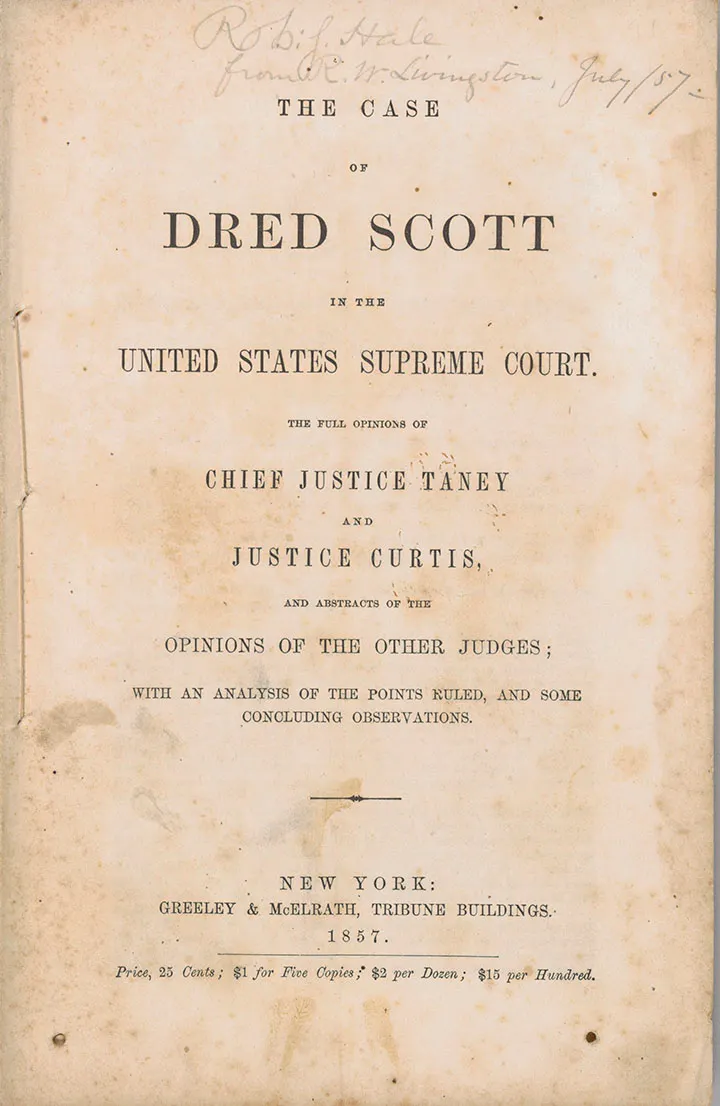
2. Dred Scott v. Sandford, 1857
A shameful decision not to extend citizenship to descendants of slaves by a shameful court that helped precipitate the Civil War. Let us note, however, that the vote was 7–2, so bravo to Benjamin Robbins Curtis and John McLean.
3. Marbury v. Madison, 1803
In which Chief Justice John Marshall established judicial review—giving the court the power to declare a congressional law unconstitutional. Would be lovely if we could undo this today.
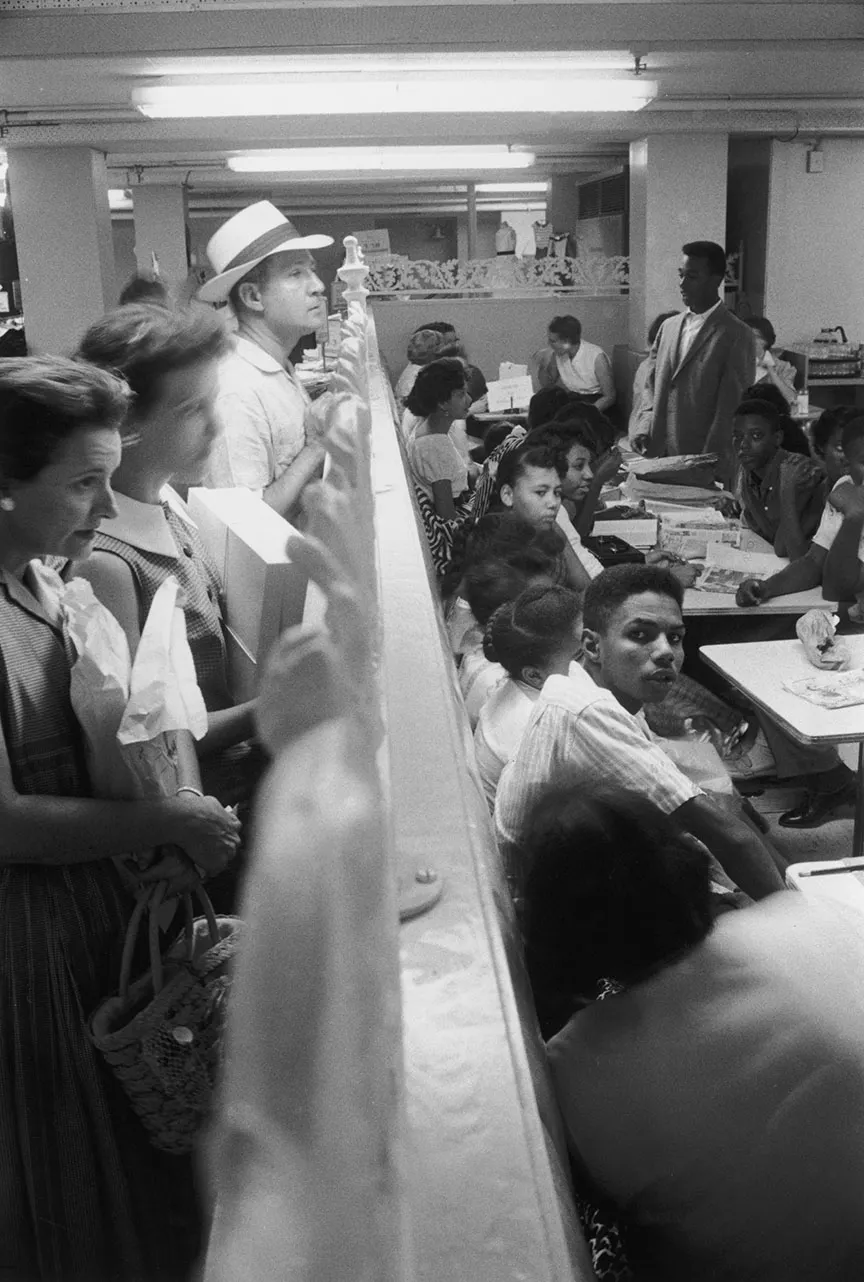
4. Plessy v. Ferguson, 1896
The infamous “separate but equal” ruling. Homer Plessy was seven-eighths Caucasian and tried to sit in a white railway car. Not in Louisiana, bub!
T-5. Citizens United v. Federal Election Commission, 2010
A disgraceful ruling to all but undo campaign finance rules. Its impact on U.S. elections has been corrupting beyond our ability to count—quite literally, since one result of this decision is that we have no way of tracking how much corporations pour into campaigns.
T-5. Roe v. Wade, 1973
The landmark pro-abortion ruling. Interestingly, at first, the Jerry Falwells of this country weren’t up in arms about this one. Homeschooling was their big issue at the time.
“This case … empowers Trump to violate as many laws as he wants without fear of the consequences. Immunity breeds impunity.”—author and columnist Jonathan Alter on Trump v. U.S.
7. Trump v. United States, 2024
The ruling that offered the president immunity from criminal prosecution for official acts. One of the most annoying naïve-liberal guessing games of the Roberts court era: Maybe Gorsuch or Kavanaugh will save us here! No. They didn’t.
8. Bush v. Gore, 2000
The race to the right-wing gutter started here, with a decision so rancidly political—it settled a dispute over vote recounting—that the five majority justices noted it was “limited only to the present circumstances,” i.e., meant to install George W. Bush as president.
T-9. McCulloch v. Maryland, 1819
Unlike Marbury, this John Marshall ruling suits liberals today just fine: It declared the supremacy of federal over state law and would define the potential scope of the administrative state. Some conservatives would like to overturn it. At the rate we’re going, they won’t need to.
T-9. Obergefell v. Hodges, 2015
A rare victory for progress and decency in the modern era, thanks to Anthony Kennedy joining the court’s (then) four liberals to legalize same-sex marriage.
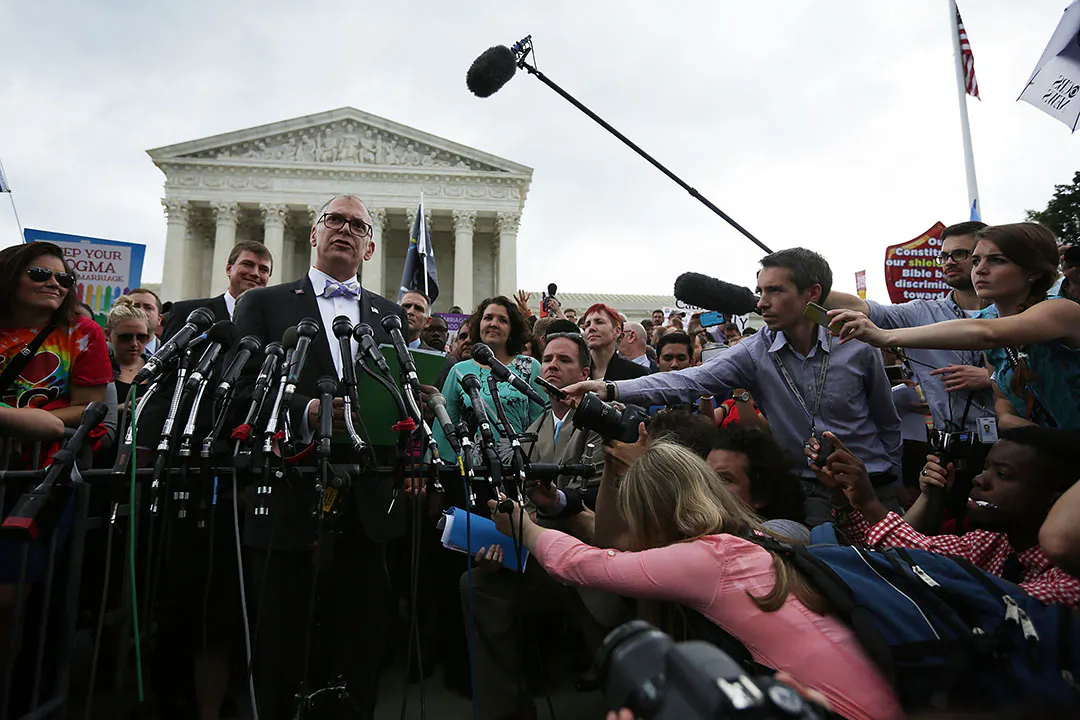
T-11. Dobbs v. Jackson Women’s Health Organization, 2022
Another Deep South case, and wham, nearly a half-century of pro-abortion rights precedent tossed out the window. Every justice who voted for this clearly lied about their beliefs at their confirmation hearings.
T-11. West Coast Hotel Company v. Parrish, 1937
The famous case in which the anti–New Deal Supreme Court, perhaps brushed back by FDR’s court-packing scheme, shifted its right-wing gears and held that a minimum wage was constitutional. Justice Owen Roberts called it “the switch in time that saved nine.”
T-11. Baker v. Carr, 1962
One of three “one person, one vote” cases decided by the Warren court in the early 1960s. Warren, upon retiring, called these cases the most important of his tenure. One justice had a nervous breakdown during deliberations.
T-14. Loving v. Virginia, 1967
The court here held unanimously that the marriage between the appropriately named Richard Loving, a white man, and his Black wife, Mildred Jeter, could stand.
T-14. Miranda v. Arizona, 1966
The bane of cops from the day it was decided, it ensured that people under arrest were made aware of their rights. Kind of amazing it hasn’t been reversed yet.
The Most Important Public Figures Who Never Held Elected Office
1. Martin Luther King Jr.
In 1955, few had heard of him yet. A mere eight years later, he was moving mountains.
2. Frederick Douglass
Born into bondage, he was King’s nineteenth-century precursor and the country’s conscience during the Civil War and after.
“A champion of civil rights before FDR, Eleanor [Roosevelt] wrote her own column for 27 years before and after he was president, and she led the committee that wrote the U.N. [Universal] Declaration of Human Rights.”—Amy Fried, University of Maine (emerita)
3. Eleanor Roosevelt
A first lady of many firsts (first to write a newspaper column, first to speak to a national convention), she also went on to a nearly two-decade career vigorously promoting both human rights abroad and reform politics at home.
4. Susan B. Anthony
She was decades ahead of her time in arguing and agitating for women’s suffrage. But she was equally committed to abolitionism.
T-5. W.E.B. Du Bois
His The Souls of Black Folk (1903), with its argument about “the color line” in American society, had a seismic impact. He helped found the NAACP but became disillusioned over time, finally moving to Kwame Nkrumah’s Ghana.
T-5. J. Edgar Hoover
Not our favorite, but hard to deny his importance over five decades of American life. He intimidated presidents and hounded movements. But contrary to legend, he was apparently not a cross-dresser.
7. Henry Ford
The good: He famously paid his employees enough that they could buy the cars they themselves made. The bad: The Dearborn Independent, his virulently antisemitic newspaper.
T-8. William F. Buckley Jr.
Erudite, supremely self-confident, full of charm, capable of making and keeping liberal friends. But it’s hard to forget his support for segregation and later suggestion that gay men with aids be tattooed.
T-8. Thomas Edison
The light bulb, the phonograph, the motion picture camera. And those three just scratch the surface. His West Orange, New Jersey, laboratory contained “eight thousand kinds of chemicals, every kind of screw made, every size of needle,” and a hell of a lot else.
T-8. Elizabeth Cady Stanton
The lead organizer of the important suffragist Seneca Falls Convention of 1848 and the co-founder (with Anthony) of the National Woman Suffrage Association. She was also, like Anthony, a fierce abolitionist.
T-11. Rachel Carson
She wrote a 1951 bestseller about the ocean that won a National Book Award, but nothing touched the impact of 1962’s Silent Spring, one of the most influential books of the century. She died of breast cancer just 16 months later.
T-11. John Marshall*
He wasn’t the first chief justice; he was the fourth. But for good and for ill, Marshall is the one who made the court the final word on U.S. legislation and law.
T-11. John D. Rockefeller
Rockefeller’s Standard Oil gobbled up smaller and weaker competitors like bats eat mosquitoes, ending up with around 90 percent of refined oil in the United States. On the plus side, he did leave us the University of Chicago.
14. Benjamin Franklin*
Everyone knows about the famous kite experiment. But did you know he invented swim fins? When he was just 11 years old?
* Franklin and Marshall served in elected legislative office but are far better known for their accomplishments outside that realm.
Transcript: Trump Seethes at Media over Iran as Fox Drops Brutal Poll
The following is a lightly edited transcript of the June 24 episode of the Daily Blast podcast. Listen to it here.
Greg Sargent: This is The Daily Blast from The New Republic, produced and presented by the DSR Network. I’m your host, Greg Sargent.
Donald Trump is claiming that Iran has fully agreed to high-level international inspections of its nuclear program. Iran is flatly denying this. As always, under Trump, it’s more likely that the truth is coming from the other side of the negotiating table and not from our side. This highlights a big problem for Trump. He badly needs to produce results in these talks very quickly. He needs more money for the war, but as an angry exchange he had with a reporter reveals, the public won’t put up with that when they’re so sour on his economy. It’s gotten so bad that even Fox News is telling him the truth about his terrible economic numbers.
So he needs to produce results in Iran fast. But as international relations professor Nicholas Grossman argues in a good new piece, time is not on his side. So we asked Nick to come on and explain it all to us. Nick, always good to have you back on.
Nicholas Grossman: Yep, great to be here, Greg. Thanks.
Sargent: Can you quickly sum up where we are on this fundamental dispute, Nick? Trump says Iran has agreed to high-level international inspections, and he’s even telling reporters that he wouldn’t have agreed to enter the talks at all without Iran agreeing to that beforehand. But all signs are that Iran has not agreed to it. What’s the story here?
Grossman: I think it’s pretty simple, in that Trump is lying, or at minimum heavily exaggerating and bullshitting. It’s possible that they brought this up as something that Iran could maybe agree to in principle, or suggested it. But all the signs show that there really hasn’t been any discussion of Iran’s nuclear program yet.
There probably won’t be, since Iran has more leverage in these talks. And that sort of thing would take a lot of details, a lot of the specific things that require nuclear physicists and engineers and other experts—there’s no way they could have possibly worked it out now. So simply, Trump is lying or trying to play up a minor, maybe discussion point as a big concession.
Sargent: Can I ask quickly before we move on from this, Nick—does Trump saying this undermine JD Vance? Is this a problem for JD Vance in these negotiations?
Grossman: It’s a big problem. I don’t think we’ve seen something like this before, that the president of the United States is actively lying about what is going on in the discussions. And that makes it very hard for Iran to be able to get their sense of what the United States is committing to. Just to make a deal—if I’m going to do something, I expect you to do something. There are usually trust-building measures. We take a few steps along the way.
And so if I say, OK, I’ll do X as long as you do Y, and then as soon as you get up from the table, the president says, no way, we’re never going to do Y, and I never would have agreed to that in the first place—then I can’t know what you’re going to do. I can’t do my trust-building steps, and it makes the negotiations very difficult. So the Americans are in this weird position where they have to say, pay no attention to what our national leader says, he’s just doing that as theater for domestic consumption—even as the Iranians can see the way that Vance and the whole Republican Party and a lot of conservative media kiss up to him so often and just go with whatever he says. So yeah, it greatly undermines America’s negotiating position.
Sargent: So Trump is under immense pressure right now to deliver. Let’s listen to an exchange he had with a reporter who asked him about the news that the Pentagon has asked Congress for another $80 billion for the war. The reporter starts out by saying the Department of War has asked for this money. Listen to what happens.
Reporter (voiceover): The Department of War is asking for 80 billion more dollars for the Iran war. Do you think Americans support this at a time when so many are financially struggling?
Donald Trump (voiceover): “Who are you with?”
Reporter (voiceover): I’m with NewsNation, sir—
Trump (voiceover): Not a very good group. Not doing very well. Not only do they support it—not only do they support it, they demand it, because they won’t allow Iran to have a nuclear weapon. You want to see trouble, let them have a nuclear weapon. We’re doing very well with Iran. They’ve been decimated.
Sargent: Nick, note how angry Trump gets at the notion that the American people are turning on him over both the war and the economy. And of course, the American people have turned on him over both. But he says the American people absolutely support spending $80 billion more dollars on the Iran war. Your thoughts?
Grossman: He says this about everything—that whether there is any public support or not, it’s kind of his way of trying to either bully reporters or bully the public into believing it, to create an aura of power, almost meme his way into more power than he actually has. And it’s really not going to work in this instance.
I mean, Congress will most likely fund the Pentagon’s requests, at least in significant part, because a lot of that is replacing munitions that the United States fired against Iran that is needed for a lot of contingencies, such as the event of a major war with Russia or China, war over Taiwan, anything like that. And so they will likely spend that money.
But selling it to the American people as some sort of positive thing—that’s not going to work at all. People can see the economic effects, and those are likely to get worse rather than better as the effects really reverberate out. And they never supported the war in the first place.
So there isn’t any particular reason why they would be excited to spend even more taxpayer dollars going there when they are more concerned about really many other issues, especially economic ones.
Sargent: So you’re really looking at a triple whammy for Trump. As you say, the public opposed the war at the outset, which is itself unusual. And then the public had a direct glimpse of the economic effects of the war when the Strait of Hormuz closed. With unusual clarity, Trump was directly tied to skyrocketing prices. And then on top of that, Trump is now asking for another $80 billion. That’s a triple whammy of sorts. I don’t think we’ve seen something like that before, have we?
Grossman: No, we haven’t. And you can add on top of that that the American public doesn’t like losing a war, doesn’t like backing a loser in a war, doesn’t want to throw good money after bad. So if there were perhaps some sort of actual threat to the United States, or there were some sort of national interest that he was achieving in the process of the war, then maybe there would be an argument for the American people to sacrifice in some manner. But there isn’t at all.
He’s in the process of surrendering and making concessions to the Iranians and giving them more than they had before the start of the war. So why would people be interested or say even excited or supportive of funding that war?
Sargent: It really is bad for him. And just to underscore how badly the public has turned on him over this, listen to this snippet from a Fox anchor. He cites a new Marist poll showing that only 33 percent of Americans approve of Trump on the economy, his lowest ever in Marist polling, with 60 percent disapproving. Check this out.
Fox anchor (voiceover): We’ve only got a few months now until the midterms. This Marist poll shows that the president’s not exactly firing on all cylinders when it comes to approval of his handling of the economy. Thirty-three percent—disapproving 60 percent rather. His 33 percent approval rating is three points lower than Biden at his worst.
Sargent: Nick, did you catch how the anchor said that Trump is now lower on the economy than Joe Biden was at his worst? That has got to be the thing Trump hates to hear more than anything else. And this is coming from Fox News, making it even more pointed. I think this really illustrates very graphically the kind of pressure he feels to produce a deal.
The last thing he wants to be doing right now is asking for tens of billions more for the war when his approval rating on the economy is one-third of the country, right?
Grossman: Yes, and he needs something really fast, because the economic impact is very unlikely to turn positive in time for the midterms, in time to reduce that pressure. This was one of the things that got Trump to surrender in the first place. A good lesson of what is he actually afraid of, what can discipline him, what does he listen to—the answer has always been markets.
The oil market and others were on the verge of getting into a very serious crisis because of reserves running down and the ships not leaving the strait in time to replenish that.
And we still might see some of that, because as much as Trump tries to sell this idea that the strait is totally open, ships are flowing through, that Iran won’t be charging tolls for it—none of that matches the facts on the ground. And this is the type of big-scale supply-demand, hard physical reality that he can bullshit his way through for some time, kind of delay for a time, but cannot totally manage to hoodwink people when there are ongoing economic problems, when costs are rising, when we saw recently inflation numbers, in large part due to the war, getting back to levels that we haven’t seen in a few years.
All of that is the sort of thing that people notice. And he really seems desperate about it—where usually he’s able to either bully people into saying that it’s going well, or turn it into a domestic political he-said-she-said back and forth, or just somehow bullshit his way through it, change the subject. And this one is just stubbornly not doing it because the reality of it is too big.
Sargent: Well, here’s the kicker on the Marist poll. It finds his overall job approval at 36 percent, which is the lowest of his second term. Those are very bad numbers, Nick.
Grossman: Those are really bad. Those are the sort that lead to a midterm wipeout for a president’s party.
Sargent: And we should note here that this 36 percent approval, which is again dismal, is absolutely not an outlier. The New York Times polling averages, which if anything are conservative and take in a lot of data, have his approval at 38 percent. That means that his actual approval is very plausibly in the mid-30s—35, 36, 37.
Those are terrible numbers. And I don’t see them turning around, Nick. Do you? I mean, part of the problem here is that he’s built himself into a situation with Iran where time isn’t on his side, is it?
Grossman: I think you’re right that it is likely to get worse. And I can’t really see a way that it gets better. I can think of a few different ways. One is that with the strait still restricted, having been blocked for so long, a lot of supplies—not just energy, but things like fertilizer is another good one—we’re going to see over the next year or two the result of that supply crunch and higher prices reverberating through the economy. So the economy is more likely to get worse rather than better, at least in say the midterm.
With the war, it looks like it has driven more wedges into the MAGA coalition, into the GOP coalition, because it effectively broke some of the deal that various voting groups thought that they had with Trump when they were voting for him. So you had some lighter supporters who thought that he was good for the economy, that he was going to bring inflation down, that the economy was going to look more like, say, 2018, 2019 before COVID. And he didn’t do that. He made it worse exactly along those measures in a way that’s easy to link to the war.
And also there were the people who voted for him because they bought into the image of anti-war isolationism—which was always bullshit, which had to willfully ignore a lot of his first-term stuff, but nevertheless some voters bought into it. And here he went and started a new Middle East war that is causing all sorts of problems and is not making anything better for the United States or for its various allies or the world. And so some of them feel betrayed.
And so—I would be extremely wary of ever giving credit to Tucker Carlson, so this is not credit—but he is seeing an opportunity in taking this anti-war isolationist, anti-Israel lane. And that is creating these political problems for Trump that are very unlikely to reverse in time for the midterms, or who knows what after that. But I can’t see what miracle thing would come along that would somehow reverse his approval decline.
Sargent: I just want to underscore your point by saying that Tucker Carlson and Marjorie Taylor Greene just this week said that they’re leaving the Republican Party, or something to that effect.
Again, we shouldn’t trust these people even for a second or hail any sort of nobleness on their part at all. But there really is opportunity that they’re seeing. They would not be doing this unless they sense that there are large constituencies within the Trump-MAGA coalition that will agree with them on it, right?
Grossman: Right, exactly. They’re opportunities, a finger in the wind. It’s almost like they’re positioning themselves for a period of whatever happens after Trump, and that they want to be in the lane that says various MAGA stuff—like a lot of the racism, anti-immigrant stuff, for example, was good, but the Iran war and Middle East interventionism was bad—and try to capture a future of the right by doing that. But that also makes it an argument inside the Republican Party.
Because you also have another group that feels wronged by this—the arch-hawks, the ones who have been wanting an Iran war the entire time, the ones who are very strong supporters of Israel. They’re feeling betrayed by Trump surrendering and making all these big concessions to Iran, giving Iran benefits up front and not getting anything for the United States, leaning towards an absolute best-case scenario of something like a weaker version of the JCPOA, the Obama nuclear deal, which they hated and wanted to oppose in the first place.
So those are the sort of people who maybe didn’t love some other Trump stuff and bit their tongue about it because they liked that he was going to be so violently aggressive in the Middle East and so supportive of Israel and of Benjamin Netanyahu. And now Trump is doing something that goes against those interests. And you have the Tucker part of the coalition going in a different direction. It looks really difficult for anybody to possibly be able to hold that thing together.
Sargent: I mean, he’s losing three different groups if you really bear down on it, right? He’s losing the low-engagement young non-white working-class types who went to Trump because he’s the Apprentice guy or whatever they thought. He’s losing the die-hard MAGA types who actually seem to have real anti-interventionist views—I’m really skeptical of that, and I know you are as well, but still, people like Tucker and Marjorie Taylor Greene are speaking to some sort of constituency out there that thinks that. And he’s losing the Republican hawks, who thought Trump would basically be their tribune to crush whatever enemy rose up in their path.
Grossman: Yeah, I think he’s losing some of the manosphere tough-guy types also, in that he looked so weak. This was supposed to be some triumph of strength and it’s going terribly along those lines. And that’s the sort of thing that so many people, various experts on the issue, could have told them in advance—that you can’t just act like a reality show tough guy, do a bunch of bluster, do some bombs from afar, and expect a country to then capitulate to you. That’s not going to work.
But nevertheless, some people bought into that. And the embarrassment of it now, with being part of a loser—and one who is surrendering and flailing and kind of going back and forth on it a lot and just generally looks weak, and being seen by a lot of people in those areas as weak—just adds another chip against that coalition that he built that got him back into the White House in 2024.
Sargent: Well, let’s wrap this up by listening to something Trump said at a rally in Pennsylvania, which I think shows again how angry he is at the media and everybody over all this. Listen.
Trump (voiceover): Iran will never have a nuclear weapon, and they’ve agreed to that. But remember, this wasn’t easy. We had 47 years’ worth of presidents and other people—other countries too, we’re not the only one that never did anything. They were the bully of the Middle East. And now we’re leaving Iran with no Navy, no Air Force, no anti-aircraft, no missile capability, no nuclear program.
We’re leaving them without any nuclear capacity, and they’ve agreed to that. And we’re getting along quite well, although if you read the fake news, you’d never know! Think of it—the fake news. They have no army, they have no navy, they have no air force, they have no anti-aircraft. We can fly over Tehran just at will. Nobody’s going to do anything to us. And then I read the fake news that they’re doing quite well! They’re not doing quite well!
Sargent: Nick, note how Trump says Iran has agreed to having no nuclear program, when in fact all it has agreed to is what it has agreed to many times in the past, which is this boilerplate language about how it shall not buy or develop nuclear weapons. And note how he rages at the media for telling people the truth, which is that Trump has gotten little to nothing on this front.
What’s the basic dynamic here going forward? Does this change anytime soon? Does it just drag on for many months? How do you see it playing out?
Grossman: I think it’s probably dragging on for a while. Unfortunately, one of the really long-term problems with this is that Trump has given Iran this really powerful card, that they can threaten to close the Strait of Hormuz when they don’t like how things are going—either with negotiations with the United States or Israeli military activity in Lebanon or just about anything else. And they can stir it up as an issue. I bet we’re going to be hearing about this for years.
Iran is also setting up a toll regime—they’re building this out with Oman, they’re charging people special insurance and saying they’re going to have to pay. And Trump is lying about that and he’s trying to sell that lie, but that one looks like it’s moving forward also.
So he’s gotten the Iranian government a big new revenue stream. And they are not going to be giving concessions on their nuclear program, at least not ones that are more than in the MOU. What it specifically says—they even use the language “Iran reiterates”—basically it says its old statement that they won’t get nuclear weapons, which nobody really believed before, which is why there were all these sanctions and pressure on Iran in the first place.
So he’s going to keep on giving Iran these concessions. Just recently lifting sanctions on Iran, allowing a lot of Iranian ships to leave and sell at market, or unfreezing Iranian assets is something that the Iranians said they talked about when they were meeting in Switzerland on that one. I believe them.
We’ll see more economic concessions to Iran just to get Iran to keep the process of letting ships through the Strait of Hormuz, because that’s the real leverage that they have. Once they got a hold of that, they have had us. They have had the stronger hand and they have been playing it better than the United States has.
So while Trump will continue prioritizing trying to lie to the American people about what happened, the facts on the ground and the actual shape of the Middle East, of the international system that is coming out of this, is going to keep on likely getting more and more in the Iranians’ favor, with Trump lying and threatening and blustering along.
Sargent: The beauty of it all is that JD Vance inherits this whole mess next year when Donald Trump is utterly checked out and essentially leaving the scene and JD Vance is starting his presidential run. He deserves every bit of that. Nicholas Grossman, thanks for coming on. Always great to talk to you.
Grossman: Yep. Best of luck to Mr. Vance, I guess. And yeah, great talking to you too. Thanks for having me.
Angry Trump Seethes at Media as Fox Drops Truly Humiliating Poll Data
Donald Trump’s anger at the media over his Iran fiasco is mounting. He snapped at a reporter for noting that Americans might not support spending $80 billion more on the war {as the Pentagon has requested) given widespread economic distress. Trump even dubiously claimed the public would gladly support this. Then, at a rally, Trump seethed at the media for not being worshipful of his handling of the Iran talks. He also nonsensically suggested he’s solved the nuclear issue entirely. Trump also tweeted angrily that the media is belittling his glorious triumph. He’s under immense pressure to show results: In a devastating segment, a Fox News anchor pointed to a new poll showing Trump’s approval on the economy at 33 percent. Then the anchor said: This is lower than Joe Biden was at his absolute worst point ever. In this, Fox hit him with the ultimate humiliation. We talked to international relations expert Nicholas Grossman. We discuss his new piece explaining why time is not on Trump’s side in these talks, how all this is breaking up the Trump coalition in new ways, and what a disaster it could prove for JD Vance’s coming presidential run. Listen to this episode here.
Everybody hates Todd Blanche
Chat, is it good when 101 former federal and state judges file a bar complaint against you? Because that’s what just happened to acting Attorney General Todd Blanche, right in the middle of his big push to be confirmed by the Senate. The complaint, filed with the New York State Bar, requests an investigation into Blanche’s staggering number of possible ethics violations. Racking up so much…
Some possible insight into Trump’s health, and a GOP endorsement switch
A daily roundup of the best stories and cartoons by Daily Kos staff and contributors to keep you in the know. Trump pulls endorsement switcheroo to avoid looking like a loser When in doubt, endorse everyone! Trump set to make another historic celebration all about himself The president knows there’s no better way to bask in the spotlight than to steal it. Trump’s fall guy…
Mistaken transcription
Now more than ever, we modern-day court jesters need your support! Become a paid subscriber to any (or all!) of the platforms below to keep Keef gentleman-cartooning into the future and beyond! www.patreon.com/keefknight keithknight.substack.com ko-fi.com/… kchronicles.com/… Help Keef create his first animated short.
Conservatives are literally dying to own the libs
One party believes in science and doctors and thinks it’s bizarre that some people think horse paste is the solution to everything. The other one? “Public health disparities provide an important lens for understanding social and political change in the USA,” a recent study in the journal Nature concludes. “Using individual-level medical data and death records, this study shows that…
Supreme Court decides not everyone deserves religious liberty
The Supreme Court’s decision in Landor v. Louisiana is a perfect example of how conservatives strip rights from people by abstracting them away. The court’s conservative majority didn’t really want to talk about Damon Landor and how Louisiana corrections officials openly and flagrantly violated his religious liberty rights. So, they buried that simple story in a sprawling monstrosity of a…
Trump Is Giving White South African Refugees a Gift Bag for Racists
The Trump administration wants to give white South African “refugees” an arrival gift bag with an American flag, an Android tablet, the Constitution, the Declaration of Independence, and hagiographic literature from PragerU minimizing the history of slavery and apartheid in the country and falsely accusing the South African government of “favoring the Black population.”
This is the latest effort to woo the Afrikaner population, descended from 17th-century Dutch, German, and French Huguenot settlers in South Africa, since the Trump administration began allowing thousands of white South Africans into the country based on debunked claims that they’re victims of “white genocide” pushed by Elon Musk, while maintaining Trump’s ban on people who legitimately need asylum.
“Farmers are being killed,” Trump said last May, calling Afrikaners a “long-persecuted minority group.”
The gift bags have yet to be finalized, according to The New York Times.
One of the books from PragerU, titled Lwazi’s Hard Lesson, details a Black South African rugby player who protects his white teammate from an angry Black mob, and describes South African freedom fighter and first post-apartheid President Nelson Mandela as a “South African lawyer and activist who sought to end apartheid with acts of sabotage.”
“Unlike South Africa’s Black population, the white population is declining in number,” the literature included in the package reads. “As an easy scapegoat for a failing government, more and more white South Africans are choosing to leave the country each year.”
Brown University historian Nancy Jacobs described that account to the Times as “selective in the extreme, and even inaccurate.”
As of 2025, white South Africans own nearly 75 percent of all farmland in the country despite making up just 7 percent of the population.
SCOTUS Gave the Government a “Blank Check” to Weaken Due Process for Green Card Holders
This Supreme Court term has no shortage of high-profile immigration-related cases. But as the justices wait until the last minute to rule on the more controversial ones—namely birthright citizenship—on Tuesday, they delivered a decision in a sleeper case that could have implications for millions of green card holders living in the United States.
In a 6-3 decision signed by Justice Clarence Thomas, the conservative supermajority held that border officers don’t need to have “clear and convincing evidence” that a lawful permanent resident committed a “crime involving moral turpitude“—a vaguely defined immigration law term that can cover a wide spectrum of crimes generally involving intent to defraud or cause bodily harm—before jeopardizing their rights and ability to stay in the country. In other words, agents at the border have just been given exceptional discretion to bypass protections generally afforded to green card holders.
In the case at issue, Blanche v. Lau, Muk Choi Lau, a Chinese-born green card holder was charged in New Jersey in 2012 with trademark counterfeiting. Lau then traveled abroad and tried to re-enter the United States at the airport with his green card. Under federal statute, returning lawful permanent residents are supposed to be treated as having already been admitted into the country—meaning they are essentially just coming back home.
But a border agent determined that, because of Lau’s pending criminal charges for a “crime involving moral turpitude,” he fit into an exception and could be classified as someone “seeking admission” (rather than already admitted) into the United States. Lau was paroled in, but had his green card confiscated. After he pleaded guilty to the charges, the federal government started removal proceedings against him.
An immigration judge found that Lau could be removed, but following an appeal, the Second Circuit Court of Appeals disagreed. The appeals court concluded that the border office didn’t have enough evidence at that time to show that Lau had committed a crime and that he should have been treated under the default presumption that he had already been admitted into the United States due to his lawful permanent status.
“Critically,” Judge Richard J. Sullivan and the appeals panel ruled last year, “the INA [Immigration and Nationality Act] does not provide that an LPR (Lawful Permanent Resident] may be treated as seeking admission when he has been ‘charged with a crime’ or is ‘believed to have committed a crime; it permits such a treatment only when an LPR ‘has committed’ a crime.”
In Tuesday’s decision, the Supreme Court majority led by Justice Thomas vacated the Second Circuit’s judgment, arguing that the government had correctly reclassified Lau and that the federal statute didn’t actually require the border officer to “have clear and convincing evidence that Lau had committed a crime involving moral turpitude before deeming him an applicant for admission.”
The ruling in Blanche v. Lau is likely to create a chilling effect on lawful permanent residents traveling overseas. Notably, it follows proposed rules by the Trump administration to force immigrants to pursue green card applications from abroad, and make it considerably more expensive for green card holders to apply for US citizenship.
In her dissent, Justice Ketanji Brown Jackson said the Court’s decision undermined the “benefits and security that come with having a green card.” In the worst-case scenario, Justice Jackson reasoned, the government could “merely assume” at the border that a green card holder should be demoted to “seeking admission” and only justify that determination with “post hoc evidence.”
“I worry that the Court has now handed the Government a massive blank check.”
“I worry that the Court has now handed the Government a massive blank check,” Justice Jackson wrote. Green card holders, she added, “are as close to citizenship as one can get absent naturalization…Today, the majority ignores that crucial fact and empowers Government officials to act accordingly.”
Aaron Reichlin-Melnick with the American immigration Council noted on social media that the Supreme Court’s ruling does not mean that green card holders can simply be ordered deported by border agents. But classifying lawful permanent residents returning from abroad as “seeking admission” could open up a wide range of negative legal and practical consequences for them, including the possibility of detention and, eventually, deportation proceedings requiring a higher burden of proof for defense.
“It is very disturbing in the breadth of its reach, and I think we can expect border officers to overuse the power that they’re given here,” said Nancy Morawetz, a law professor and director of the Crimmigration Clinic at NYU. She worries about the implications for green card holders who could be subject to other grounds of inadmissibility, such as offenses involving controlled substances. “There are a lot of people who could be at real risk if the government doesn’t really have to have any proof…It’s very, very dangerous.”
Allen Orr, former president of the American Immigration Lawyers Association, said the ruling lowers the due process standards green card holders are entitled to. “We’re giving a border officer the ability to determine if it’s a crime of moral turpitude and you might not even be guilty of it,” he said. “If the facts are clear and the person is excludable and does not deserve to be in the United States, then take their green card but afford them a process greater than some border officer at the port of entry.”
He warned on Bluesky: “The danger of this ruling is that it creates an incentive to use the border as a place where rights are diminished.” Orr said it further sends a troubling message to lawful permanent residents. “I already have clients who have green cards who are just afraid to travel,” he said, “because the government has said, as a green card holder, you’re just now a long-term visitor, we could deny you for anything.” The decision, he concluded, “aligns with the goal of excluding and removing people from the United States that are not US-born nationals.”